
How to Verify a Broker: A Step-by-Step Guide
- Why Broker Verification Matters
- Check Licenses and Regulatory Status
- Analyze Reputation and Reviews
- Inspect the Website and Contact Information
- Review Trading Terms and Fees
- Test the Platform and Support
- Monitor Broker Performance Over Time
- Common Red Flags to Watch Out For
- Practical Tips for Safe Trading
- Conclusion
When it comes to investing or trading online, choosing the right broker isn’t just important — it’s critical. The internet is flooded with platforms, but not all are created equal. Some are fully legitimate, while others operate with questionable practices or even outright scams. Spending a bit of time to verify a broker can save you significant stress, money, and headaches down the line.
Why Broker Verification Matters
Even experienced traders sometimes underestimate the risks of working with an unverified broker. The consequences can range from delayed or blocked withdrawals to losing your entire account balance. Many scams mimic legitimate operations, making it easy to trust a platform that seems professional at first glance. In 2025–2026, the stakes are higher than ever: new types of financial products, crypto integrations, and online-only brokers mean that due diligence is no longer optional.
Verifying a broker ensures that your money is secure, your trades are fair, and that you have recourse if something goes wrong. It’s not about paranoia — it’s about smart risk management.
Check Licenses and Regulatory Status
Licensing is the first and most critical step. A regulated broker operates under rules designed to protect investors, so verifying a license is non-negotiable.
- Identify the relevant regulator: Common regulators include FCA (UK), CySEC (Cyprus), ASIC (Australia), BaFin (Germany), FINMA (Switzerland), and MAS (Singapore).
- Use official databases. Always check the regulator’s official website. Most provide searchable lists where you can confirm the broker’s registration and licensing status.
- Verify company information. Ensure that the registered company name, registration number, and operating address match the details on the broker’s website. Watch for companies that frequently change names or operate from offshore jurisdictions, as these can be signs of evasion.
- Check for disciplinary actions. Regulators often publish warnings, fines, or suspensions. Searching for the broker’s name plus terms like “warning” or “fine” can reveal hidden risks.
- Consider jurisdictional protections. A broker regulated in the EU or UK typically participates in investor compensation schemes, while offshore brokers might offer little recourse if something goes wrong.
Don’t just trust a “license badge” on a website; always verify it independently.
Analyze Reputation and Reviews
User experience can reveal issues that regulatory checks won’t catch. However, reading reviews requires nuance.
- Check multiple platforms: Trustpilot, Reddit, Quora, ForexPeaceArmy, and specialized crypto forums are good starting points. Each platform has different levels of moderation.
- Look for patterns, not isolated complaints. One negative review doesn’t indicate a scam, but repeated complaints about withdrawal delays, hidden fees, or poor support are red flags.
- Spot fake reviews. Be wary of reviews that are overly positive, generic, or posted in large batches over a short period. Some fake reviews are written by bots or paid freelancers.
- Track complaint resolution. Reliable brokers usually respond to complaints promptly and professionally. Lack of response or dismissive answers indicates poor customer care.
Combine review analysis with social media searches to see if users are actively discussing issues with the broker.
Inspect the Website and Contact Information
A professional, transparent website is often a first signal of legitimacy.
- Secure and clear website. Look for HTTPS encryption, a professional design, and fully functional navigation. Typos, broken links, or missing pages are warning signs.
- Verify contact channels. Legit brokers provide multiple contact options—phone numbers, live chat, and email. Test each channel before investing.
- Check physical address. Some brokers list PO boxes or vague addresses. A legitimate company should have a verifiable office location.
- Social media presence. Active, consistent social media activity is another positive signal. Scammers often lack real engagement or only post promotional material.
Search the address and phone numbers online. Google Maps and reverse phone lookup tools can reveal inconsistencies.

Review Trading Terms and Fees
Understanding fees, trading conditions, and account rules is crucial to avoid surprises.
- Compare spreads and commissions. Check if they align with industry standards. Extremely low spreads can hide other costs.
- Withdrawal and deposit rules. Look for minimum and maximum limits, processing times, and acceptable payment methods.
- Account tiers and bonuses. Many brokers use bonuses with strings attached. Ensure the terms are transparent, and withdrawal is possible without hidden conditions.
- Contract clarity. User agreements should be written clearly, not buried in jargon. Make sure you understand obligations, fees, and penalties.
Create a simple checklist comparing multiple brokers’ terms to spot hidden costs or unusual restrictions.
Test the Platform and Support
Even with licenses and positive reviews, the platform itself may be problematic.
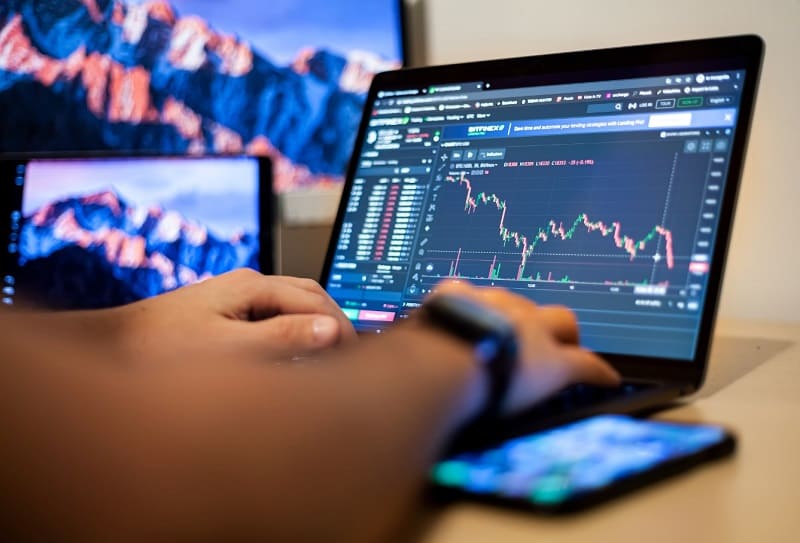
- Demo accounts. Use them to test order execution speed, charting tools, and reliability.
- Small live deposits. Deposit a small amount initially to test deposit and withdrawal processes. Avoid funding large amounts without trial.
- Customer support test. Ask questions about fees, trading rules, or withdrawal procedures. Assess response time, professionalism, and clarity.
- Check software stability. Platforms prone to downtime, delayed updates, or errors can cost money in live trading.
Keep a log of demo and small deposit tests. Track execution speed, technical glitches, and support interactions for a comprehensive evaluation.
Monitor Broker Performance Over Time
Even after the initial vetting, continuous monitoring is essential.
- Track account behavior. Watch for unexpected fees, failed withdrawals, or policy changes.
- Stay informed on news. Regulatory warnings, sudden rebranding, or high-profile complaints often indicate risk.
- Re-evaluate reviews periodically. Patterns of recurring issues may emerge only after months of activity.
Set up alerts for your broker’s name in Google News or Twitter to catch any emerging issues early.
Common Red Flags to Watch Out For
Even after your initial checks, keep an eye on warning signs:
- Promises of guaranteed returns or unusually high profits.
- Requests for additional deposits to unlock earnings.
- Refusal to clarify procedures or policies.
- Pressure to act quickly or bypass standard verification processes.
- Payments required in cryptocurrency or gift cards instead of conventional methods.
If multiple red flags appear, it’s safest to walk away.
Practical Tips for Safe Trading
Once you’ve verified a broker, ongoing caution is still essential:
- After opening a brokerage account, start with small deposits and gradually increase exposure.
- Keep records of all communications and transactions.
- Monitor for any changes in fees, policies, or platform stability.
- Regularly check news and forums for reports on the broker.
Even with due diligence, vigilance is key to protecting your funds.
Conclusion
Choosing a broker isn’t just about finding the flashiest platform or the highest potential returns. It’s about trust, transparency, and security. By following these steps — checking licenses, analyzing reputation, reviewing fees, testing the platform, and watching for red flags — you can dramatically reduce your risk of falling victim to scams or untrustworthy brokers. In 2025–2026, with new financial products and online trading opportunities, careful vetting is more important than ever. Smart verification isn’t time wasted — it’s an investment in your financial safety.
Get professional help with your case.