How to Protect Yourself From P2P Crypto Scams on Bybit
- How P2P Trading Works and Where the Risk Is
- Buyer-Side P2P Scams (You Are Selling Crypto)
- Fake Payment Confirmation
- Chargeback Trap
- Third-Party Payment Scheme
- Seller-Side P2P Scams (You Are Buying Crypto)
- “Payment Not Received” Manipulation
- Off-Platform Deal Extraction
- Compromised Verified Accounts
- A Realistic Scenario
- Key Red Flags You Should Never Ignore
- How to Protect Yourself
- What Bybit Protects — and What It Doesn’t
- Final Takeaway
P2P crypto trading feels simple: you open an order, send or receive money, and the platform holds the crypto safely in escrow. It looks controlled, almost risk-free. And that’s exactly why it works so well for scammers.
On platforms like Bybit, most fraud doesn’t happen because the system is broken. It happens because scammers understand how to manipulate users inside a working system. Let’s break down how these schemes actually work — and how to avoid becoming part of one.
How P2P Trading Works and Where the Risk Is
At first glance, P2P trading seems structured and safe — especially on platforms like Bybit. The interface is clean, steps are clear, and escrow creates a sense of protection.
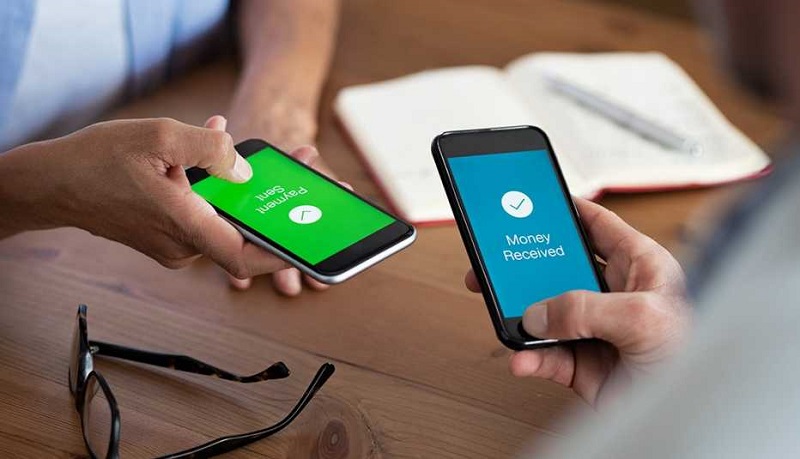
In a typical trade, the seller’s crypto is automatically locked by the platform. This escrow ensures the seller cannot withdraw assets before payment is confirmed. Meanwhile, the buyer sends fiat money directly to the seller via bank transfer, card, e-wallet, or another payment method — entirely outside the platform. Once the seller sees the funds, they confirm payment and release crypto from escrow.
On paper, this seems balanced, but the structure is fragile. The platform controls only the crypto side: it can lock, release, or pause during disputes, but has no control over the fiat transfer. It cannot verify the payment, confirm reversibility, or ensure the sender is legitimate.
This creates an asymmetric system:
- crypto is secure and irreversible;
- fiat is external and often reversible.
This asymmetry is not a bug — it’s how P2P works — but it’s exactly what scammers exploit. Every fraud scenario hinges on the gap between “payment claimed” and “payment verified.”
The platform can hold crypto, log messages, and mediate disputes. But it cannot decide whether to release assets — that choice is yours.
The real vulnerability in P2P trading is not the system itself, but the confirmation step, where trust replaces verification. This is not random fraud. These are structured, repeatable schemes built around timing, psychology, and payment loopholes.
Buyer-Side P2P Scams (You Are Selling Crypto)
When selling crypto on P2P platforms like Bybit, the act of clicking “release” is exactly what scammers target. These schemes are carefully built around timing, pressure, and your interpretation of “payment.”
Fake Payment Confirmation
A buyer opens a trade and quickly marks the payment as completed, often sending a screenshot as “proof.” Everything looks legitimate: correct amounts, timestamps, transaction IDs.
Then comes pressure. The buyer insists on speed, citing bank delays or urgency. The subtle rush is designed to make you question your verification.
Behind the scenes, no payment may exist, or it might be pending and reversible. The interface shows “paid,” creating psychological pressure. If you rely on anything other than actual funds in your account, you risk losing control. Once crypto is released, it cannot be reversed.
Chargeback Trap
This scam works without immediate deception. A buyer pays via reversible methods like cards or e-wallets. You verify the funds and release crypto — everything seems normal.
Days or weeks later, the buyer disputes the transaction. Banks often side with the sender since crypto cannot be reclaimed. Advanced scammers may first build trust with multiple clean trades, then initiate disputes later, increasing total losses.
This is a time-delayed extraction: nothing suspicious occurs during the trade, but the impact arrives later.
Third-Party Payment Scheme
Here, the buyer sends money from a third-party account. At first, it may seem harmless — a friend or family member’s card. You see funds and release crypto.
Later, if the real account owner reports fraud, the bank investigates — and you, as the recipient, may face freezes, compliance checks, or other restrictions. The scammer is gone, leaving you responsible for legal and financial consequences.
In all these cases, you must make irreversible decisions based on incomplete or manipulated information. In P2P trading, releasing crypto without full verification is the point where scams succeed.
Seller-Side P2P Scams (You Are Buying Crypto)
Buying crypto on P2P platforms like Bybit may feel safer because you don’t release the asset, but the risk shifts to the moment you send money. Once the transfer is made, your protection depends entirely on staying within the platform’s rules. Scammers don’t need to hack escrow — they try to pull you out, delay, or confuse you until you make a mistake.
“Payment Not Received” Manipulation
This scam starts once you send payment as agreed. Instead of confirming, the seller stalls and claims the funds haven’t arrived, citing banking issues, pending transfers, or minor technicalities like reference mismatches.
The goal isn’t to prove anything — it’s to create doubt. They may push to cancel the trade or move communication off-platform, removing escrow and dispute protections. The effectiveness lies in ambiguity: as long as crypto stays in escrow, you’re protected; once you step outside, the scammer wins without confrontation.
Off-Platform Deal Extraction
Here, a seller tempts you with a slightly better rate, lower fees, or faster execution if you move the trade off-platform. Everything seems legitimate: good profile, reviews, normal messaging.
Once you send money directly, there is no escrow, no dispute mechanism, and no recourse. The seller may disappear after receiving funds, bypassing all platform protections. This scam works not through technical tricks but by exploiting human greed and the willingness to break the rules for a perceived advantage.
Compromised Verified Accounts
Some scams appear completely legitimate because they use high-rating accounts. The account may have been hacked or taken over, giving scammers instant trust without building credibility.
They often combine subtle urgency with normal communication to keep you moving quickly. Users rely on ratings, trade history, and verification badges — metrics that reflect the past, not the current operator. By the time you notice inconsistencies, the payment is already gone, and platform trust systems have been used against you.
A Realistic Scenario
You’re selling USDT. A buyer opens a trade, marks it as paid within seconds, and sends a clean-looking bank confirmation. Everything looks right. Then comes the message: “Please release quickly, I need it urgently.”
You hesitate. The money hasn’t appeared yet. They insist: “It’s already sent, just bank delay.” If you release now — you lose everything. If you wait — the scam fails.
The entire attack depends on that one decision.
Key Red Flags You Should Never Ignore
In P2P crypto trading, scams are rarely obvious. They thrive on small inconsistencies, psychological pressure, and manipulated trust. Recognizing the warning signs early is critical to avoiding irreversible losses. Here are the key red flags, with deeper explanations:
- “Payment sent” but no funds in your account. This is one of the most common tactics. Scammers mark the trade as paid or provide a screenshot as proof. Screenshots can be faked, payments can be delayed, and notifications can be misleading. The platform interface may indicate payment, but until you see the actual balance in your account, nothing is guaranteed. Always double-check independently before releasing crypto.
- Pressure to release or confirm quickly. Urgency is a psychological tool scammers rely on. Phrases like “Please release immediately,” “The bank will take too long,” or “We’ll lose this opportunity” are designed to make you act before verifying. Acting under pressure often leads to mistakes because the natural instinct to help, avoid conflict, or seize an opportunity overrides cautious behavior.
- Payment from a different name. If the sender’s name on the payment doesn’t match the buyer’s account, treat it as suspicious. Third-party payments can be used to shift legal responsibility or hide stolen funds. Even slight discrepancies in account names, addresses, or transaction references can indicate that someone else is involved, leaving you vulnerable to chargebacks or legal disputes.
- Requests to communicate outside the platform. Scammers often try to move conversations to email, messaging apps, or phone calls. Platforms like Bybit maintain records of messages and trades, which are crucial for resolving disputes. Once you leave the platform, you lose formal protections, making it much easier for a scammer to manipulate the situation or deny previous agreements.
- Offers slightly better than the market. Deals that appear too good to be true usually are. Scammers tempt buyers or sellers with rates that seem advantageous or promises of lower fees to lure them off-platform. These “exclusive deals” bypass escrow and dispute mechanisms, leaving you completely unprotected. Even small advantages should be approached with extreme caution.
- Overconfidence + urgency combo. Scammers often combine assertiveness with time pressure. They may speak as if they have superior knowledge while insisting you act quickly. This creates a subtle tension: you feel both pressured and doubtful about your own judgment. It’s a manipulation of trust and decision-making speed — the faster you move, the higher the risk of making a mistake.
If a trade feels rushed, unusual, or too convenient, it probably is. Trust your instincts, verify all details independently, and never release crypto or send money until you’re absolutely certain. Recognizing these red flags early is the most effective way to avoid P2P fraud.
How to Protect Yourself
- Confirm money — not messages. Only trust actual balance in your account. Not screenshots, SMS or emails.
- Never leave the platform. All communication must stay inside Bybit chat — it’s your only evidence and it enables dispute resolution.
- Match sender identity. If the name doesn’t match — do not proceed.
- Use disputes — don’t negotiate. If something is off, open a dispute immediately. Do not try to “resolve it manually”
- Slow down every decision. Speed is the scammer’s advantage, time is yours.
What Bybit Protects — and What It Doesn’t
Knowing what protections a platform like Bybit actually provides is key to safe P2P trading. Many assume that crypto escrow covers everything — a misconception that can be costly.
Protected
- Crypto escrow. Seller crypto is locked until payment is confirmed, preventing immediate fraud. Escrow protects only the crypto, not whether fiat has actually cleared.
- Dispute system. If a trade goes wrong inside the platform, Bybit mediates using chat logs and timestamps. Protection disappears once you leave the platform.
- Chat records. All messages within the platform are logged and can be used in disputes. They are critical evidence, but only if communication stays on Bybit.
Not Protected
- Fiat transfers. Bybit does not verify off-platform payments. “Payment sent” notifications are not guarantees — relying on them puts risk on you.
- Chargebacks. Reversible payments like credit cards or e-wallets can be disputed; cryptocurrency is usually non-recoverable (but in some cases recovery is possible), leaving the seller exposed.
- Deals outside the platform. Any off-platform trade removes escrow, dispute support, and records. Scammers use this to lure you with better rates or faster deals, leaving no recourse.
The platform secures the transaction flow — but you secure the outcome.
Final Takeaway
P2P scams are not accidents, they are designed sequences. Once you see the pattern — pressure, fake confirmation or emotional push —you can step out of it. Because in P2P trading, safety isn’t about reacting fast. It’s about waiting long enough to be sure.
Get professional help with your case.