Best Practices for Using Multisig and Cold Storage
- Understanding Multisig Wallets
- Best Practices for Multisig
- Cold Storage Explained
- Best Practices for Cold Storage
- Combining Multisig with Cold Storage
- Common Mistakes and How to Avoid Them
- Conclusion
Cryptocurrency offers incredible opportunities, but with it comes significant responsibility. One wrong move — a lost private key, a compromised wallet, or a careless transaction — can wipe out your holdings. As digital assets continue to grow in value and adoption, security has become a top priority for investors.
Multisig wallets and cold storage are two of the most effective tools for protecting crypto. Used correctly, they dramatically reduce the risk of theft or accidental loss. This guide walks you through the best practices for both, offering actionable advice for beginners and experienced users alike.
Understanding Multisig Wallets
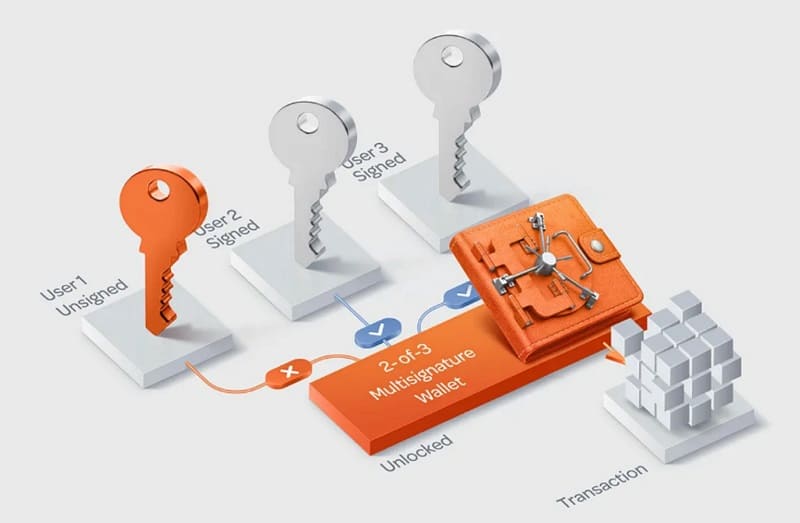
A multisig (multi-signature) wallet requires multiple private keys to authorize a transaction, instead of just one. Think of it as a safe that needs several keys from different people to open.
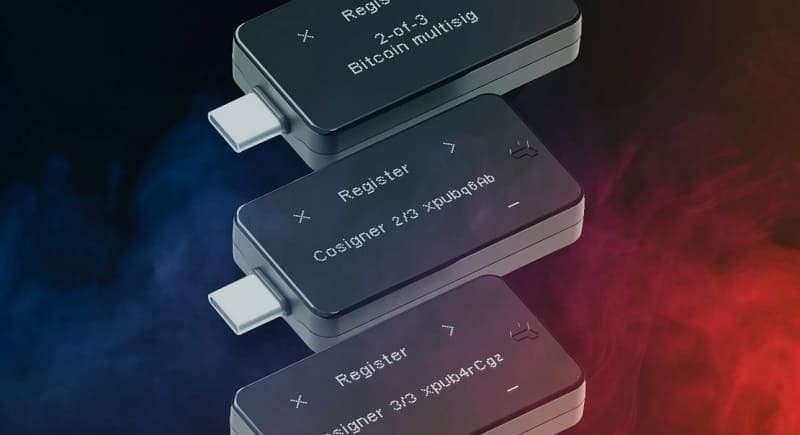
For example, a 2-of-3 multisig wallet means that out of three private keys, two must sign off for a transaction to go through. This setup is particularly useful for:
- Shared accounts: Teams or families managing a single wallet can prevent unilateral decisions.
- Corporate holdings: Businesses can ensure that no single employee can move funds without oversight.
- Extra security for personal wallets: Even if one key is lost or compromised, funds remain secure.
Multisig reduces the likelihood of unauthorized withdrawals and makes phishing attacks, social engineering, or single-point failures far less effective. Additionally, it can help maintain accountability within a team or family, as every transaction requires multiple approvals. This creates a clear audit trail, which can be crucial for transparency and legal compliance.
Best Practices for Multisig
To maximize security and usability, follow these principles:
- Choose the right number of signatures: Common configurations like 2-of-3 or 3-of-5 strike a balance between security and convenience. Too few signatures reduce protection; too many make transactions slow and cumbersome. Consider the risk profile and how often you intend to make transactions.
- Distribute keys securely: Avoid keeping all keys in one place. Spread them across different locations and devices — for example, one hardware wallet at home, one in a bank safe deposit box, and one with a trusted family member or attorney.
- Plan for recovery: Determine how funds can be accessed if a key is lost or compromised. Some wallets support key rotation or backup phrases. Conduct regular drills to ensure all participants understand the recovery process.
- Never share keys digitally: Email, messaging apps, and cloud storage are insecure. A single compromised device can nullify the security offered by multisig. Use physical means, encrypted offline storage, or air-gapped devices when necessary.
- Regularly review wallet setup: Test each key and verify that all participants can approve transactions. Periodic reviews prevent unpleasant surprises during urgent transfers or market volatility.
- Document procedures securely: While you shouldn’t store keys digitally, you can keep detailed instructions for recovery, transaction approval, and emergency procedures in a secure offline location.
Following these practices ensures that multisig wallets remain an effective shield against both external attacks and human error.
Cold Storage Explained
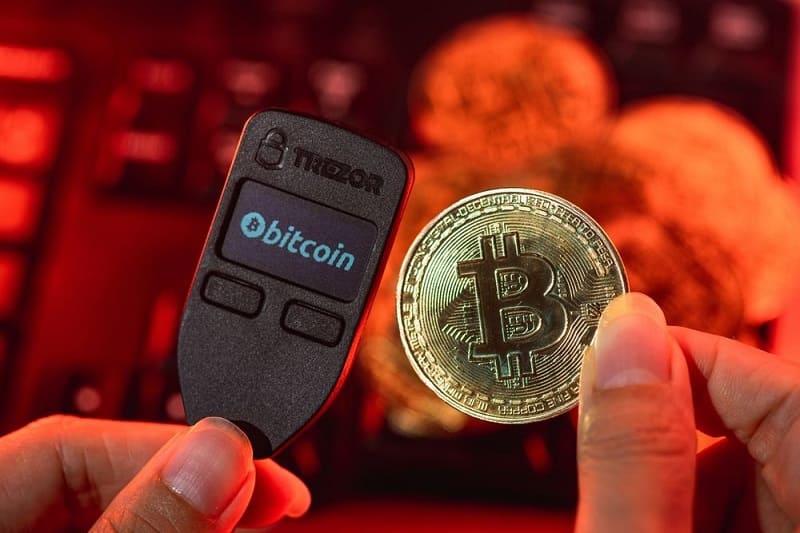
Cold storage refers to keeping cryptocurrency completely offline, making it virtually immune to online hacks. Unlike hot wallets connected to the internet, cold wallets store assets in a way that prevents remote access.
Popular forms of cold storage include:
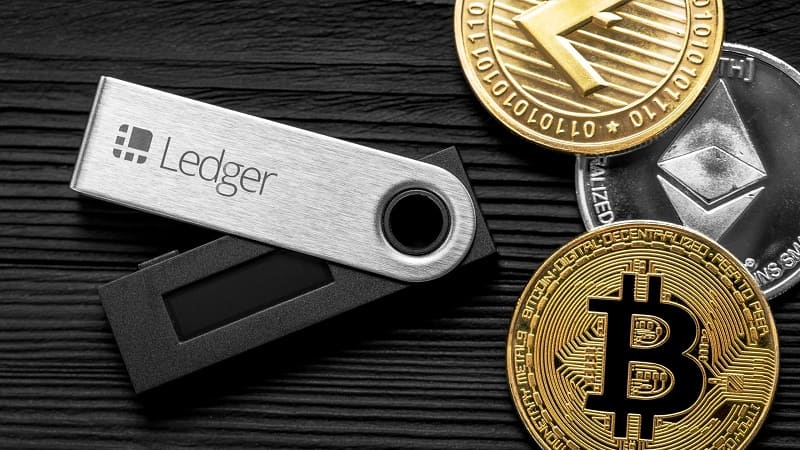
- Hardware wallets: Dedicated devices that store private keys offline and sign transactions without exposing keys to the internet.
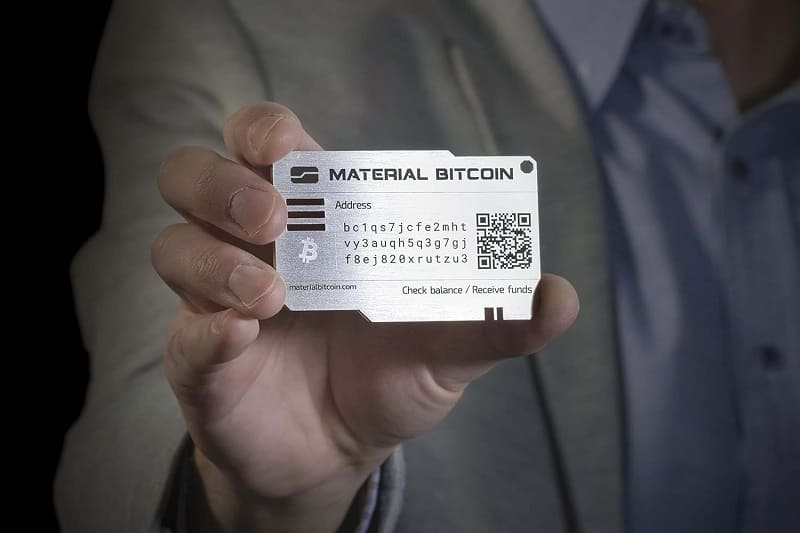
- Paper wallets: Printed private keys or QR codes kept securely. They are simple but require extreme care in storage.
- Air-gapped computers: Devices never connected to the internet, used solely for generating and signing transactions.
Cold storage is ideal for long-term holdings of significant sums, particularly for users who do not trade frequently. Its main advantage is security, while the main drawback is reduced convenience. Investors must plan ahead to access funds efficiently while maintaining safety.
Best Practices for Cold Storage
To safely use cold storage, implement the following:
- Physical protection: Store devices and paper wallets in fireproof, waterproof, and secure locations. Consider a safe or bank vault, especially for high-value holdings.
- Secure backup phrases: Write backup phrases carefully, store them in multiple secure offline locations, and never share them digitally. Use tamper-evident envelopes or protective cases if possible.
- Maintain device integrity: Always use firmware from official vendors. Verify the authenticity of new devices, and check seals and anti-tamper indicators before use.
- Redundancy without overexposure: Maintain at least one backup of every key or seed phrase. Avoid creating too many copies, which increases the chance of compromise.
- Routine verification: Periodically check that devices work, backup phrases are legible, and accounts are accessible. Waiting until funds are needed for the first time can be disastrous.
- Separate operational and long-term storage: For example, keep only the funds you trade actively in hot wallets while storing the bulk of assets in cold storage. This balances security with usability.
Combining Multisig with Cold Storage
Using multisig alongside cold storage offers the ultimate protection:
- keys can be distributed across multiple cold wallets in separate locations;
- one key might be on a hardware wallet at home, another in a safety deposit box, and a third with a trusted advisor or family member.
This ensures that even if one device is lost, stolen, or damaged, your crypto remains safe. It also protects against insider threats or human error by requiring multiple approvals for transactions.
Practical recommendations:
- Use a 2-of-3 or 3-of-5 configuration for personal holdings.
- Test the recovery process before storing significant funds.
- Maintain secure, offline documentation of your setup without exposing any private keys.
- Rotate keys periodically to reduce the risk of long-term compromise.
Common Mistakes and How to Avoid Them
Even experienced investors can slip up. Avoid these pitfalls:
- Single point of failure: Relying on one key or device puts all funds at risk.
- Digital backups of keys: Never store private keys or seed phrases online.
- Outdated devices or software: Failing to update hardware wallets and firmware can introduce vulnerabilities.
- Neglecting recovery plans: Not knowing how to restore access if a key is lost can make assets permanently inaccessible.
- Insufficient physical protection: Leaving devices or paper wallets in unsecured or environmental-risky locations.
- Skipping periodic tests: Regularly check all keys and devices to ensure they function correctly.
Awareness of these mistakes, coupled with proactive measures, ensures your security setup functions as intended.
Conclusion
Multisig wallets and cold storage are the cornerstones of secure crypto management in 2025–2026. By combining multiple signatures with offline storage, investors can drastically reduce risks of theft, hacking, or accidental loss.
Key takeaways:
- Distribute keys and maintain secure backups.
- Protect devices physically and offline.
- Review your setup regularly and test recovery procedures.
- Prioritize security over convenience, especially for long-term holdings.
Following these best practices ensures your crypto assets remain safe, providing peace of mind in an increasingly complex digital financial world.
Get professional help with your case.