Fake Broker Licenses: How to Verify Regulation in 10 Minutes
- Why Fake Licenses Are So Common
- How Scammers Fake Regulation Claims
- “Regulated” Does Not Automatically Mean Safe
- FCA (United Kingdom): Step-by-Step Check
- ASIC (Australia): Step-by-Step Check
- CySEC (European Union): Step-by-Step Check
- United States: SEC, CFTC, and NFA
- SEC (Securities and Exchange Commission)
- CFTC (Commodity Futures Trading Commission)
- NFA (National Futures Association)
- Typical Red Flags in Fake Licenses
- What to Do If the License Doesn’t Check Out
- Final Takeaway
One of the first things suspicious brokers say is simple and confident: “We are fully regulated.” For many users, this sounds like a guarantee of safety. Regulation feels official, serious, and trustworthy. Unfortunately, in 2026, fake licenses and misleading regulatory claims are one of the most common tools used by investment scammers.
The good news is this: you don’t need legal expertise or hours of research to check a broker’s regulation. In most cases, 10 minutes is enough — if you know what to look for.
This guide explains how fake licenses work, how scammers manipulate regulation claims, and how to verify brokers step by step using real regulators.
Why Fake Licenses Are So Common
Regulation creates trust faster than performance, reviews, or marketing. Scammers know this well.
Instead of proving real trading activity, they simply:
- invent a license;
- copy someone else’s registration number;
- misuse well-known regulators’ names.
Many fake brokers are visually convincing. Their websites look professional, documents are polished, and “regulation” is mentioned repeatedly — often without details. Most users never verify these claims. Scammers rely on that.

How Scammers Fake Regulation Claims
The most common tactics include:
- listing a regulator’s name without a license number;
- using a real license number belonging to a different company;
- claiming registration instead of authorization;
- inventing regulators that sound official;
- misusing U.S. regulators to create false authority.
A key rule to remember: a real broker never hides its legal entity details.
“Regulated” Does Not Automatically Mean Safe
Even real regulation does not guarantee:
- profits;
- zero risk;
- ethical behavior.
However, fake regulation guarantees danger. Your task is not to decide whether a regulator is “good,” but to confirm:
- The broker is actually listed.
- The legal entity matches.
- The permitted activities match what the broker offers.
Let’s look at how to do this with real regulators.
FCA (United Kingdom): Step-by-Step Check
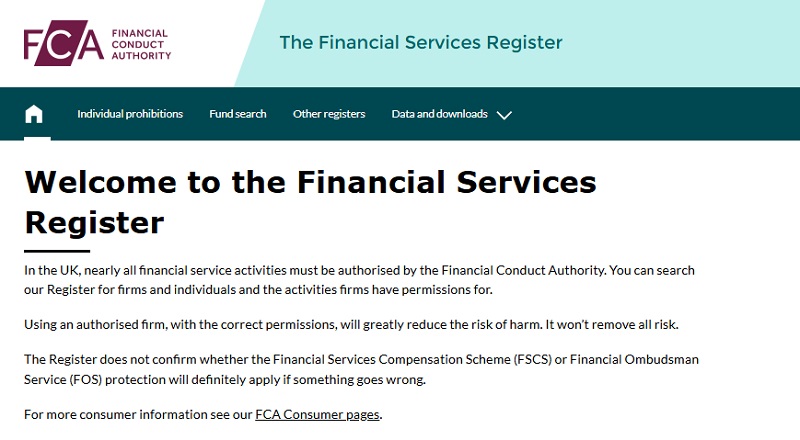
The Financial Conduct Authority (FCA) is one of the most respected regulators globally and one of the most abused by scammers.
How to verify:
- Go to the FCA Register (register.fca.org.uk).
- Search by company name or reference number.
- Check:
- company name;
- legal address;
- website domain;
- status: Authorised.
Red flags:
- “registered with FCA” instead of “Authorised”;
- different website domain than listed;
- clone warnings.
If the website you’re using is not listed exactly — it’s not the same company.
ASIC (Australia): Step-by-Step Check
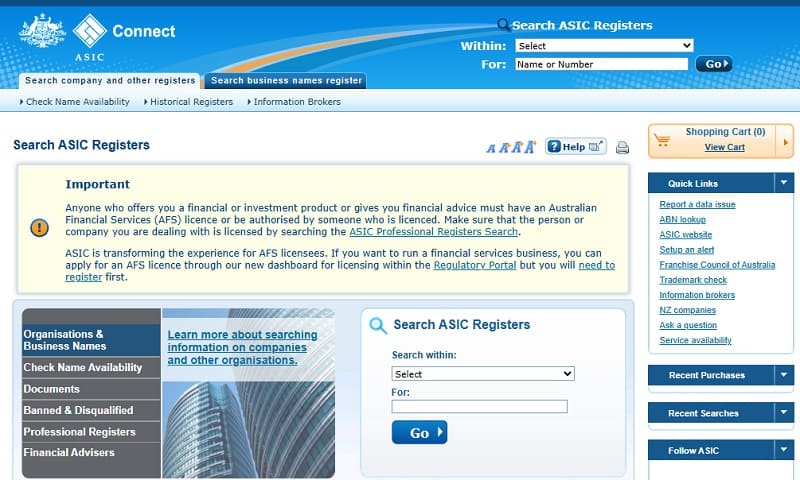
The Australian Securities and Investments Commission (ASIC) regulates licensed financial services providers.
How to verify:
- Search the ASIC Professional Registers (connectonline.asic.gov.au).
- Look for an AFSL number
- Confirm:
- license status (Active);
- services allowed;
- company details.
Common trick:
Scammers often list an ASIC company number but offer services the license does not cover, such as CFDs or retail trading without permission.
CySEC (European Union): Step-by-Step Check
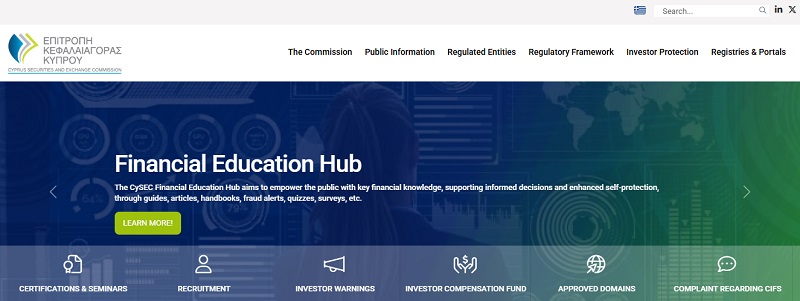
The Cyprus Securities and Exchange Commission (CySEC) regulates many EU brokers.
How to verify:
- Open the CySEC Regulated Entities list (cysec.gov.cy/en-GB/regulated-entities/firm-search).
- Search the company
- Check:
- license number;
- passporting rights;
- trading services allowed.
Warning:
Many scam platforms claim “EU regulation” without specifying CySEC — or use expired or suspended licenses.
United States: SEC, CFTC, and NFA
This is where most confusion happens, and scammers exploit it aggressively. Important truth is that there is no single U.S. regulator for all brokers. Each regulator covers different activities.
SEC (Securities and Exchange Commission)
Regulates:
- securities brokers;
- investment advisors.
Does NOT regulate:
- retail forex;
- CFDs;
- most crypto platforms.
Check using SEC IAPD (adviserinfo.sec.gov) or EDGAR (sec.gov/edgar/search) databases.
Common scam claim: “SEC registered” — without proof of authorization.
CFTC (Commodity Futures Trading Commission)
Regulates:
- futures;
- commodities;
- some forex activity.
You can’t directly find a “broker list” on the CFTC site the way you can with FCA or ASIC. However, you can use the CFTC database to check for:
- any history of interaction with the CFTC (e.g., filings, registrations, public records);
- mentions of disciplinary actions against the company;
- official warnings or enforcement notices issued by the regulator.
If a broker claims it is regulated by the CFTC, but there is no evidence of registration or authorization, that should be a major red flag.
NFA (National Futures Association)
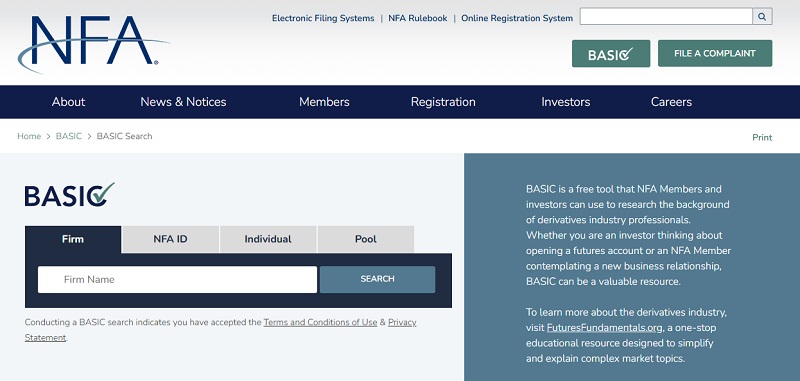
Any broker claiming U.S. forex or futures regulation must be listed in NFA BASIC.
How to verify:
- Open NFA BASIC (www.nfa.futures.org/basicnet).
- Search the company.
- Confirm:
- status: active;
- registration category;
- permitted activities.
If a broker claims “U.S. regulated” but is not in NFA — it is almost always a scam.
Typical Red Flags in Fake Licenses
Watch for these warning signs:
- no license number provided;
- screenshots instead of registry links;
- claims like “international license”;
- fake seals or badges;
- pressure to trust regulation instead of showing proof.
Legitimate brokers expect users to verify them. Scammers avoid it.
What to Do If the License Doesn’t Check Out
If verification fails:
- do not deposit money;
- stop communication;
- document false claims;
- treat the platform as unregulated.
If money was already sent, this information becomes critical evidence for disputes or chargeback analysis.
Final Takeaway
Fake regulation is not a technical trick — it’s a psychological one. Scammers don’t rely on complexity. They rely on assumptions. You don’t need to trust promises, documents, or “support managers.” You only need one thing: independent verification.
Ten minutes can save you years of stress — and thousands of dollars.
Get professional help with your case.