
How Scam Brokers Operate in 2026
- What Is a Fake Broker?
- New Scam Scenarios in 2026
- “AI-Driven Trading” Platforms
- Fake Analysts and Personal Managers
- The Gradual Trust Funnel
- “Regulation Theatre”
- Key Red Flags Users Often Miss
- Conclusion
In 2026, investment scams don’t look like the old “Nigerian prince” schemes anymore. They look like modern fintech. They come with polished websites, slick mobile apps, and “customer support” that feels personal. That’s why people get tricked even when they’re careful.
The biggest change is that fake brokers no longer need to look fake. Their goal is to create trust fast, then make you feel like the only reasonable thing to do is to invest more. In many cases, they don’t even need to steal your money directly — they just keep you inside a controlled environment until you do it yourself.
Below is a breakdown of how these platforms operate in 2026 and the most common tricks they use.
What Is a Fake Broker?
It is a platform that looks like a real brokerage, but doesn’t provide real market access. It may show live prices, offer trading tools, and even simulate gains — but the trades don’t actually go to real exchanges.
In simple terms, the platform is a closed system:
- your “balance” is a number on a screen;
- your “profit” is generated internally;
- your “trades” may never reach the real market.
The scam isn’t always a sudden hack or theft. Sometimes it’s a long-term setup where the platform makes you feel confident enough to deposit more.
New Scam Scenarios in 2026
Scammers commonly rely on the following fraud schemes.
“AI-Driven Trading” Platforms
AI is the hottest buzzword in finance, and scammers use it aggressively. These platforms claim to use machine learning, smart bots, or advanced algorithms that “adapt to market volatility.” They show:
- “AI forecast graphs”;
- “performance dashboards”;
- “risk management systems”.
But here’s the truth: AI in these cases is mostly marketing. It’s used to:
- make the platform feel modern;
- justify big deposit amounts;
- keep you engaged longer;
- calculate exactly how much money you can be pushed to deposit.
In many scams, the AI doesn’t trade at all. It simply creates an illusion of intelligence to increase trust.

Fake Analysts and Personal Managers
One of the most effective methods is to assign you a “personal manager” who behaves like a real consultant. They:
- call you daily;
- send voice messages;
- use friendly, emotional language;
- explain why the market is “moving”;
- pressure you to invest more.
The difference is that real financial advisors are not emotionally involved, and they don’t chase you with constant calls.
A scam manager’s job is to make you feel supported — but only so you stay inside the system.
The Gradual Trust Funnel
This is a classic structure, but in 2026 it’s more refined. It works like this:
- You deposit a small amount.
- The platform shows quick profit.
- You feel safe and confident.
- They offer an “upgrade”.
- You deposit more.
- They demand “fees” to unlock withdrawals.
The scam is designed to make you think you are responsible for the delay. You start believing: “I just need to pay this small fee and I’ll get everything back.” The reality is that every extra payment is just another step in the scam.
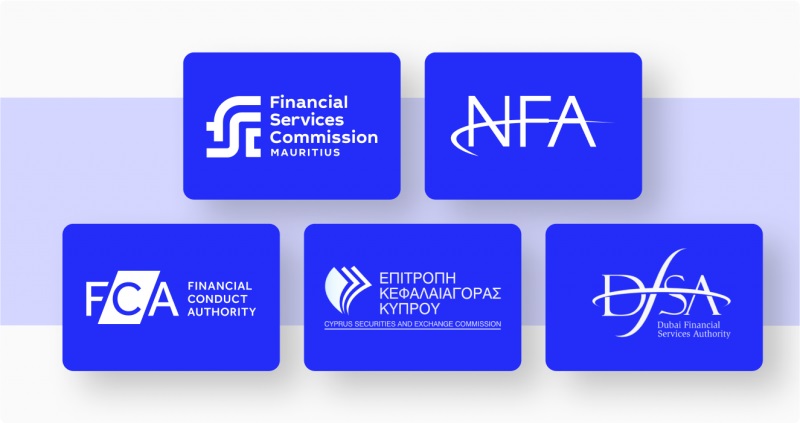
“Regulation Theatre”
Fake licenses and regulatory badges are common. Scammers now create:
- fake compliance certificates;
- fake regulator logos;
- fake “verified” seals.
They use them to make the platform feel legitimate to people who don’t know how to verify a license. In 2026, this has become more sophisticated — the documents look professional and the language sounds official.
But real regulation means publicly verifiable registration and actual oversight. Most scam platforms can’t provide that.
Key Red Flags Users Often Miss
Here are several serious red flags that expose fake brokers:
- Pressure to invest quickly. Scam brokers often create artificial urgency: “This offer expires today,” “The market window will close in hours,” or “This is a once-in-a-lifetime opportunity.” Legitimate brokers do not rush clients into decisions. Pressure tactics are designed to short-circuit critical thinking and prevent users from doing proper research.
- No real withdrawal option or endless “processing” excuses. One of the clearest indicators of fraud is when withdrawals are delayed without clear, verifiable reasons. Victims are told their request is “under review,” “waiting for compliance approval,” or “queued in the system.” In reality, regulated brokers process withdrawals under defined timelines and provide transaction references. Constant delays are not technical issues — they are a strategy.
- Requests for additional payments to unlock funds. A classic but still highly effective scam technique. Users are told they must pay a “tax,” “insurance fee,” “liquidity fee,” or “verification deposit” before withdrawals can be released. No legitimate broker requires upfront payments to access your own funds. Once a platform asks for more money to withdraw, the funds are already gone.
- Frequent changes of account managers or analysts. Victims often notice that their “personal manager” keeps changing — sometimes without explanation. This is not staff turnover; it’s deliberate. Different personas are used to apply different psychological pressures: one builds trust, another pushes risk, a third handles damage control when doubts arise.
- Requests to move communication to private messaging apps. Scammers often shift conversations from email or official platforms to WhatsApp, Telegram, or Signal. This reduces traceability, avoids compliance oversight, and makes evidence collection harder later. Regulated brokers typically keep communication within auditable channels.
- Overly consistent “profits” shown in dashboards. Fake trading platforms frequently display smooth, steady gains regardless of market conditions. Real markets fluctuate. Guaranteed or unusually stable returns are a strong indicator that the numbers are simulated, not connected to real trading.
- Lack of verifiable regulation or misuse of licenses. Some platforms claim to be “regulated” but provide vague details or reference licenses that belong to unrelated companies. Others use expired, offshore, or irrelevant registrations. If a broker cannot be independently verified through an official regulator’s database, the claimed regulation is meaningless.
If even one of these signs appears, the platform is already deviating from how legitimate brokerages operate. When several occur together, the risk is not theoretical — it is immediate. Recognizing these signals early is often the difference between partial recovery and total loss.
Conclusion
Scam brokers and fake investment platforms are not disappearing. They are becoming more sophisticated and more convincing.
The key to staying safe is understanding how the scam works, not just knowing the scam’s name. If a platform pushes you to deposit more, delays withdrawals, or uses “AI” as a trust tool — it’s safer to step back and verify everything before investing. It is also important to know how to act within the first 24–72 hours after a broker scam.
Get professional help with your case.