How to Spot Fake Crypto Exchanges Before You Lose Money
- Why Fake Exchanges Are So Common Today
- What a Fake Crypto Exchange Really Is
- Key Red Flags Users Often Miss
- How Fake Exchanges Manipulate Trust
- The 10-Minute Check Before You Deposit
- Real vs Fake Exchange: The Difference
- What to Do If You Suspect a Fake Exchange
- Final Thoughts
Fake crypto exchanges are no longer obvious. In 2026, many of them look cleaner, faster, and more professional than real platforms. They have modern dashboards, active support chats, and even “trading managers” who sound confident and helpful. That’s exactly why people keep falling for them.
The truth is simple: most victims don’t lose money because they’re careless. They lose money because the scam is designed to feel safe. This guide will help you recognize fake exchanges before you deposit — using clear signs and quick checks that don’t require technical knowledge.
Why Fake Exchanges Are So Common Today
Launching a fake exchange has become cheap and fast. Scammers reuse templates, clone designs of legitimate platforms, and copy text from real exchanges. Some even run ads, buy fake reviews, and create social media pages that look convincing at first glance.
Most of these platforms exist for one purpose: to collect deposits and block withdrawals. They don’t trade anything. The numbers you see on the screen are just simulations. Once enough money comes in, the site either freezes accounts, demands extra “fees,” or disappears completely.
What a Fake Crypto Exchange Really Is
A fake exchange is not just “unregulated.” Many real exchanges operate without licenses in some regions — but they still allow withdrawals, have verifiable teams, and real liquidity.
Previously, we covered the Top 5 Regulated Exchanges for 2026.
A fake exchange:
- does not connect to any real market;
- controls all balances manually;
- invents fees and conditions on the fly;
- and never intends to let you withdraw.
You’re not trading. You’re watching a script.
Key Red Flags Users Often Miss
Fake exchanges use subtle psychological tricks to appear legitimate. Some of the most common red flags that people often overlook include:
- Withdrawals require extra payments. After requesting a withdrawal, scammers invent fees like “tax processing,” “liquidity verification,” or “account unlock charges.” These are always red flags — no legitimate exchange asks for additional payments after deposits.
- Your profits look too consistent. Platforms that show smooth, guaranteed growth or unrealistically high returns are almost always fake. Real trading involves ups and downs, market volatility, and occasional losses.
- Managers keep changing. Fake platforms assign “personal account managers” who guide you through deposits. But after a while, the manager disappears and a new one takes over, always pushing for bigger investments.
- Support only responds when you deposit. Immediate support before deposits, slow or absent response after, is a classic scam tactic. They want you to feel secure until the money is in.
- You’re pushed to private apps. Telegram, WhatsApp, or Signal support often replaces official channels. This is used to hide messages from regulators and avoid traceability.
- The domain is new or unverified. Scam websites are often less than a year old. Check domain registration dates with tools like WHOIS.
- Fake licensing or fake partnerships. Logos of regulators or well-known companies are easy to copy. Always cross-check with official registries.
- Unrealistic guarantees. Promises like “100% profits daily” or “no risk” are never true. Even top-tier exchanges warn about market risks.
- Pressure tactics. Urgent messages like “limited-time bonus” or “last chance to invest” are meant to override rational thinking. Legit exchanges do not rush your decisions.
How Fake Exchanges Manipulate Trust
Scammers are skilled at building credibility before stealing money. They use multiple strategies to make you feel confident:
- Fake dashboards. Screens simulate trading and show steady gains to encourage deposits. Numbers may even reflect past Bitcoin or Ethereum trends to appear real.
- Friendly “analysts” or managers. People posing as financial experts offer advice, congratulate you on small gains, and build a relationship over weeks. This emotional manipulation makes you more likely to send larger sums.
- AI-generated messages and deepfakes. Some scams use AI chatbots or even synthetic videos to imitate customer service, adding to credibility.
- Cloned social proof. Fake reviews on Trustpilot, Twitter threads, and Telegram channels make platforms appear widely trusted. Some scams even create fake news mentions or awards.
- Urgency and fear. Scammers create fear of missing out with offers like “limited-time VIP access” or “early investor rewards.” Emotional pressure often pushes victims into mistakes.
- Extended trust-building phase. Unlike obvious scams, these platforms might let small withdrawals succeed initially. This false sense of security encourages users to deposit more before the scam unfolds fully.
Understanding these tactics helps prevent falling for scams even if the site looks highly professional.
The 10-Minute Check Before You Deposit
Before committing money to any platform, take at least ten minutes to verify its legitimacy. Here’s a practical step-by-step approach:
- Check domain age. Use WHOIS lookup to see when the website was created. New domains are high-risk.
- Verify regulation. Don’t rely on logos. Check FCA (UK), ASIC (Australia), SEC (USA), or CySEC (Cyprus) databases to confirm the company is registered.
- Search for complaints and scam reports. Look for “[exchange name] + scam/fraud/review” and focus on recent activity. Forums, Reddit threads, and news outlets are good sources.
- Review withdrawal rules carefully. Read terms and conditions for hidden fees, delays, or unusual restrictions. Legit exchanges are transparent.
- Check company registration. Real exchanges have verifiable corporate information. Confirm their physical address, incorporation number, and public leadership team.
- Test communication. Contact support with questions about withdrawals. Slow, vague, or evasive answers are red flags.
- Analyze promises. Offers of guaranteed profits, high leverage, or risk-free returns are unrealistic and indicate potential fraud.
- Confirm social proof. Validate testimonials, reviews, and press mentions. Fake platforms often copy real content or create fake profiles.
Even a small investigation can save thousands and prevent emotional loss.
Real vs Fake Exchange: The Difference
Real exchanges:
- allow withdrawals without new fees;
- publish legal information;
- have a history;
- don’t push you to “upgrade” accounts;
- and don’t assign personal managers for deposits.
Fake exchanges:
- invent obstacles;
- pressure you emotionally;
- hide behind chat support;
- and control everything you see.
Design means nothing. Structure means everything.
What to Do If You Suspect a Fake Exchange
If you notice warning signs or feel something is off, take immediate action:
- Stop all deposits. Do not add more money to test the system.
- Attempt a withdrawal. Even if you expect refusal, try to document any delays, errors, or requests for extra payments.
- Gather evidence. Save screenshots, emails, chat logs, and transaction receipts. These will help banks, payment providers, or recovery specialists.
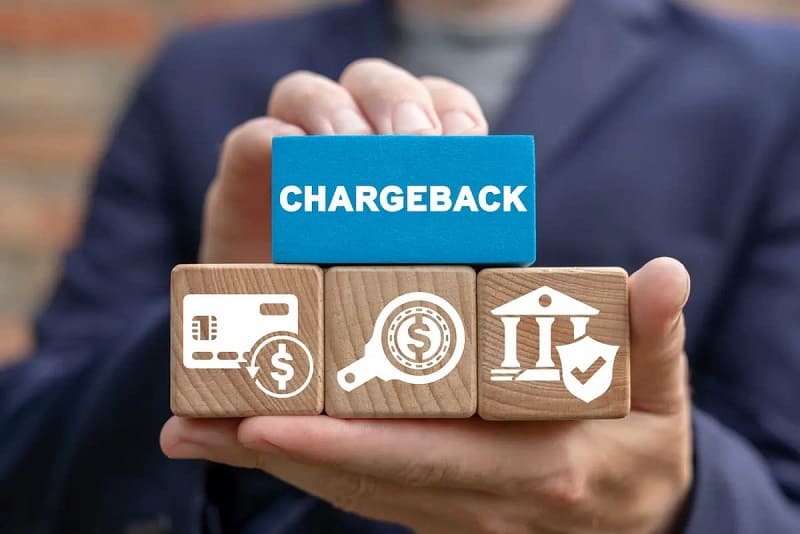
- Contact your bank or payment provider. Report suspicious transactions and ask about chargeback or dispute options. Acting fast improves recovery chances.
- Report to authorities. If you’re in the US, the SEC or CFTC can take reports. In the UK, the FCA handles complaints.
Warn others. Sharing your experience on forums, Reddit, or social media helps protect the community.
Final Thoughts
Fake exchanges don’t look fake anymore — and that’s the point. They rely on trust, not technology. You don’t need to be paranoid. You just need to be slow, curious, and willing to verify. If a platform is real, it can withstand simple checks. If it’s fake, those checks will expose it fast.
Get professional help with your case.