Crypto Exchange Regulation in 2026: Essential Guide for Traders
- Why Crypto Regulation Matters for Traders
- Regional Crypto Regulations in 2026: United States
- United Kingdom
- Europe (EU)
- Asia-Pacific
- Middle East
- How Regulated Exchanges Protect Traders
- Practical Tips for Traders in 2026
- The Bottom Line
In 2026, cryptocurrency trading has entered a new era of oversight. What was once a lightly regulated market is now increasingly governed by global financial authorities. Understanding crypto exchange regulation is no longer optional — it affects your trading security, compliance, and ability to access top platforms safely.
Why Crypto Regulation Matters for Traders
Regulation signals legitimacy. Major regulatory frameworks now require exchanges to implement strict KYC and AML procedures, monitor transactions, and report suspicious activity to authorities. For traders, using a regulated platform can mean the difference between protected funds and exposure to fraud or sudden exchange collapses.
As the crypto industry matures, regulators are emphasizing consumer protection, transparency, and financial stability, making knowledge of rules a critical part of your trading strategy.
Regional Crypto Regulations in 2026: United States
The U.S. remains one of the most complex and influential crypto markets. Key developments include:
- Securities and Exchange Commission (SEC) oversight for tokens classified as securities.
- Commodity Futures Trading Commission (CFTC) authority over derivatives and some crypto assets.
- Stablecoin regulations: Exchanges must adhere to new federal guidance on collateralization and reserve transparency.
- Licensing and compliance: Companies operating across multiple states often need money transmitter licenses.
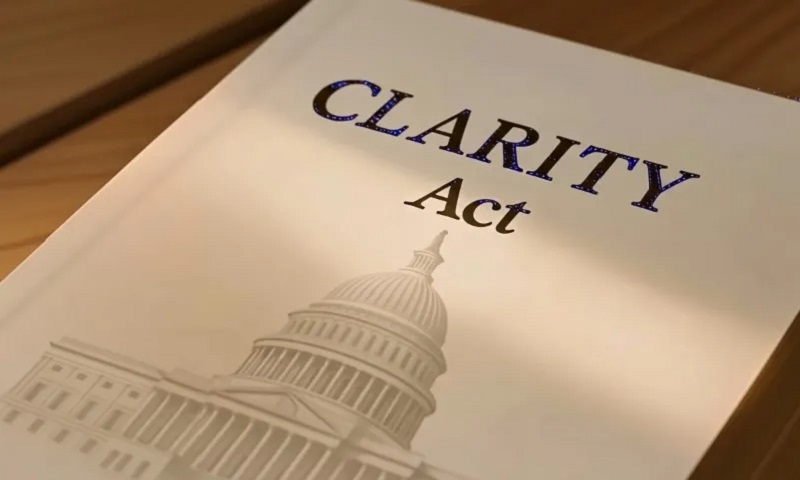
Regulatory clarity is still evolving, with ongoing discussions around the CLARITY Act, which aims to define crypto market structures and set national standards.
Key takeaway for traders: Use U.S.-licensed exchanges (like Coinbase and Kraken) to ensure compliance and protection.
United Kingdom
The UK Financial Conduct Authority (FCA) has expanded its supervision:
- Exchanges must register with the FCA and comply with AML and KYC standards.
- Advertising and marketing must accurately reflect risks, misleading claims are banned.
- Crypto wallets and custodial services now face stricter operational standards.
- UK users must report crypto gains for tax purposes, and platforms are required to provide reporting data.
Key takeaway: UK-regulated exchanges protect consumers and reduce exposure to scams, but expect verification checks and full disclosure requirements.
Europe (EU)
The European Union introduced MiCA (Markets in Crypto-Assets Regulation), creating a unified regulatory framework:
- Licensing of all exchanges and custodians across EU member states.
- Capital requirements for operational stability.
- Mandatory reporting of suspicious transactions.
- Consumer protection rules ensuring transparency in fees and service terms.
Key takeaway: EU-based exchanges offer consistency for cross-border trading, making them a strong option for European users.
Asia-Pacific
Regulation varies widely in APAC:
- Singapore: MAS requires all crypto exchanges to hold a Payment Services License, with stringent AML obligations.
- Japan: FSA mandates registration and regular audits, exchanges like bitFlyer are fully compliant.
- India: New KYC, geo-location, and tax reporting rules make anonymous trading extremely limited.
Key takeaway: In APAC, compliance ensures access to the market, but users must follow local laws to avoid penalties.
Middle East
Some countries, like the UAE, are embracing crypto innovation:
- Exchanges must register with local authorities such as the Securities and Commodities Authority (SCA) in Dubai.
- Regulations focus on investor protection while enabling trading of tokenized assets.
Unlicensed platforms remain high-risk. Traders are advised to confirm legal status before depositing funds.
How Regulated Exchanges Protect Traders
Regulated platforms are not immune to risk, but they provide:
- legal recourse if issues arise;
- transparency in fees, operations, and ownership;
- AML/KYC safeguards that reduce fraud risk.
Popular regulated exchanges include Coinbase, Kraken, Binance (certain licensed subsidiaries), and bitFlyer. Choosing licensed platforms is especially important for high-volume or institutional traders.
Practical Tips for Traders in 2026
Navigating crypto exchanges safely requires more than just picking a platform and depositing funds. Regulations vary by region, and risks can change quickly. Here’s a detailed guide to help traders protect themselves in 2026:
- Always Verify Licenses.
Check if the exchange is officially registered with the relevant regulator:
- U.S. – SEC (IAPD database) and CFTC/NFA for derivatives;
- UK – FCA crypto register;
- Singapore – MAS Payment Services License;
- EU – Verify MiCA compliance and local country license.
Avoid exchanges that claim to be “regulated” but provide no verifiable proof.
- Review Withdrawal Policies.
Read the fine print: some platforms delay withdrawals or require “extra verification” for large sums.
Test the process with a small deposit to ensure funds can be withdrawn without hidden fees or restrictions.
- Check AML/KYC Procedures.
Legitimate exchanges require identity verification. While this may feel cumbersome, it protects you from fraud and ensures the platform is compliant with international laws.
Be cautious of platforms that promise instant, anonymous trading — these are often red flags.
- Understand Local Laws and Tax Obligations.
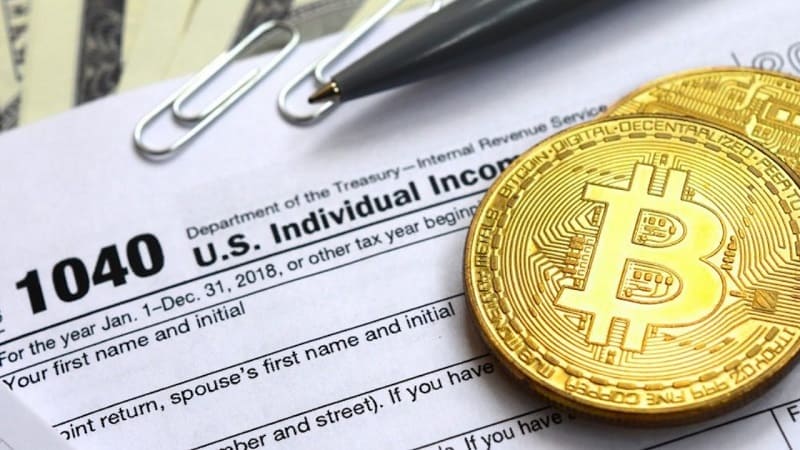
Crypto profits are taxable in most countries. Check your local rules for reporting gains, filing requirements, and penalties for non-compliance.
Exchanges sometimes provide automated tax reports, ensure they are compatible with your jurisdiction.
- Avoid Unlicensed Offshore Platforms.
Offshore exchanges may operate outside local regulatory oversight, leaving you with little recourse if funds are lost.
Confirm both the company’s headquarters and its operational licenses before depositing.
- Keep Track of Regulatory Updates.
Regulations evolve rapidly. Follow announcements from your region’s financial authority and check your exchange’s compliance updates.
Consider subscribing to newsletters or alerts from regulators like the SEC, FCA, MAS, or the European Securities and Markets Authority (ESMA).
- Use Security Best Practices.
Enable 2FA and use strong, unique passwords.
Consider hardware wallets for long-term holdings, rather than keeping all funds on exchanges.
Avoid sharing personal keys or passwords; legitimate exchanges will never ask for them.
- Diversify Your Platforms.
Don’t rely on a single exchange for all trading activities. Using multiple regulated exchanges can reduce exposure to operational risk and provide alternatives in case of technical issues or regional restrictions.
- Monitor Market Behavior and Alerts.
Many regulators maintain public warnings about scams or suspicious exchanges.
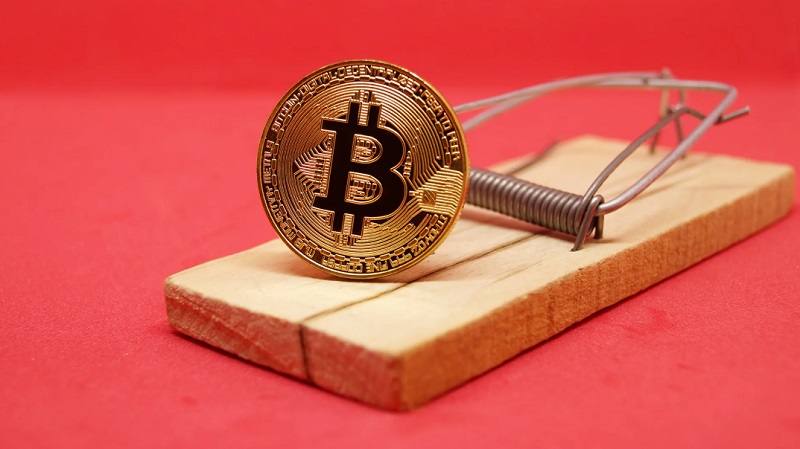
Watch for sudden changes in platform policies, unexplained downtime, or aggressive marketing claiming “guaranteed returns” — these are common warning signs.
- Engage with the Community and Reviews.
Participate in crypto forums, Reddit discussions, or Telegram groups to learn about user experiences.
Look for consistent patterns in complaints; one-off issues may be minor, but repeated red flags can indicate systemic problems.
The Bottom Line
Crypto exchange regulation in 2026 is critical for safe and informed trading. Regional differences mean that traders must actively verify licenses, understand local laws, and choose platforms that comply with robust regulatory frameworks. While stricter rules may add verification steps and reporting responsibilities, they ultimately provide security, transparency, and peace of mind, letting traders focus on strategy instead of risk.
Get professional help with your case.