How Scam Brokers Manipulate Trading Platforms
- What Makes a Trading Platform Fake
- The Most Common Ways Scam Brokers Manipulate Trading Platforms
- Fake Trading Dashboards
- Price and Chart Manipulation
- Execution Delays and Artificial Slippage
- Internalized “B-Book” Manipulation
- Psychological Manipulation Built Into Platforms
- New Scam Broker Tactics Emerging in 2025–2026
- Warning Signs That a Trading Platform May Be Manipulated
- How Traders Can Protect Themselves
- Conclusion
- Sources
Online trading platforms have made financial markets more accessible than ever. Today, anyone can open an account and start trading forex, cryptocurrencies, or CFDs within minutes. However, the rapid growth of online trading has also created an environment where fraudulent brokers can operate more easily.
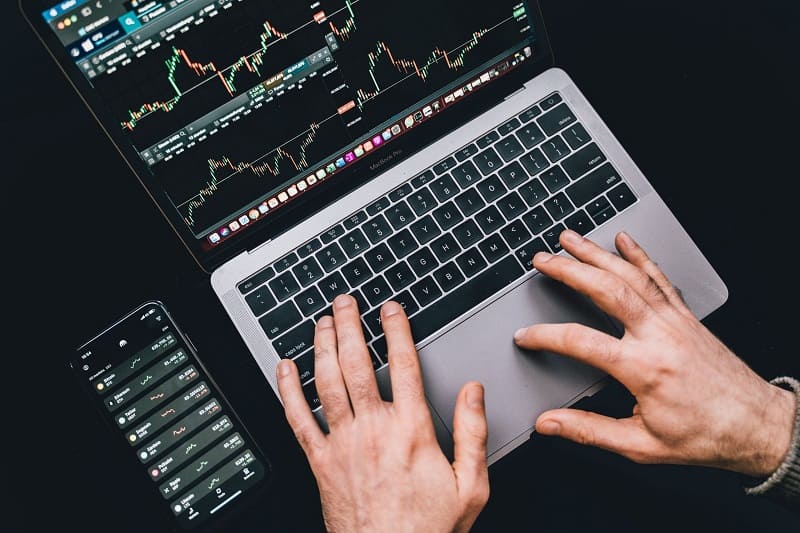
Many scam brokers do not rely solely on aggressive marketing or false promises. Instead, they manipulate the trading platforms themselves, creating a controlled environment where the outcome of trades can be influenced or completely fabricated. At first glance, these platforms often look professional and convincing, showing real-time charts, trading dashboards, and profitable transactions.
The problem is that victims may believe they are trading in real financial markets when, in reality, they are interacting with software fully controlled by the scammers. Understanding how these platforms are manipulated can help traders recognize warning signs before significant losses occur.
What Makes a Trading Platform Fake
Legitimate brokers connect their trading platforms to real financial markets through liquidity providers and exchanges. When a trader places an order, it is executed within the market environment and reflected in actual price movements.
Fraudulent brokers operate differently. Instead of connecting to real markets, they create simulated trading environments that imitate legitimate platforms. These systems allow scammers to control nearly every aspect of the trading process.
In such environments:
- trades may never reach real markets;
- account balances can be modified internally;
- price feeds may be adjusted manually;
- withdrawals can be blocked at any time.
From the user’s perspective, everything appears normal. Charts move, trades open and close, and profits seem to accumulate. But the entire system exists only as a digital illusion designed to encourage larger deposits.
The Most Common Ways Scam Brokers Manipulate Trading Platforms
Fraudulent brokers often combine several manipulation techniques to keep victims engaged and depositing money.
Fake Trading Dashboards
One of the most widespread tactics is the use of simulated trading dashboards. These interfaces display fake account balances, transaction histories, and trading profits.
Victims may see their initial deposit grow quickly, which creates the impression that the broker’s strategies are highly successful. This psychological reinforcement encourages traders to deposit additional funds.
However, the profits shown on the screen do not reflect real trades. They are simply numbers generated by the platform’s internal software.
Price and Chart Manipulation
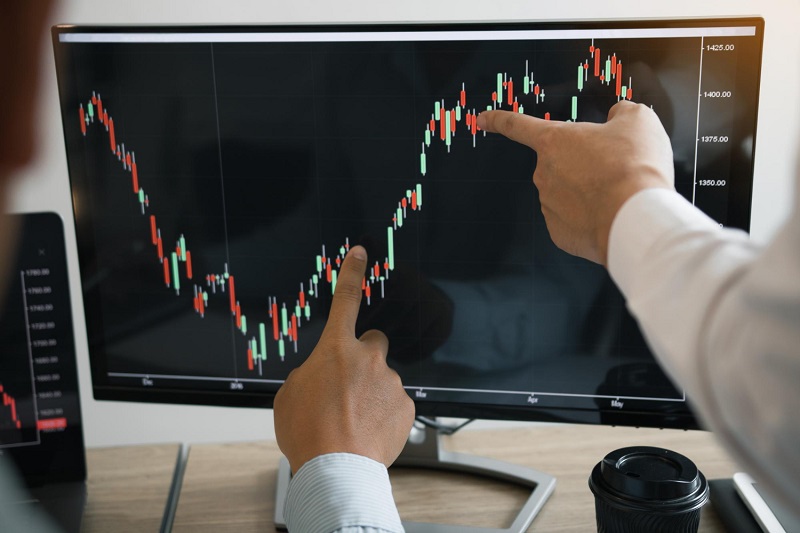
Another manipulation method involves altering price feeds or chart behavior.
Because the platform is controlled by the scammers, they can adjust asset prices to produce specific outcomes. For example:
- stop-loss orders may trigger unexpectedly;
- profitable trades may suddenly reverse;
- price spikes may appear that are not visible on other market charts.
These manipulations gradually reduce the trader’s balance while making the losses appear like normal market fluctuations.
Execution Delays and Artificial Slippage
Some scam brokers manipulate order execution. When traders attempt to open or close positions, the platform may intentionally delay the order.
During these delays:
- spreads may suddenly widen;
- prices may move against the trader;
- slippage may increase significantly.
Over time, these small disadvantages accumulate and lead to consistent losses.
Internalized “B-Book” Manipulation
In legitimate brokerage operations, some trades may be internalized through what is known as a B-book model, where the broker temporarily takes the opposite side of a client’s position.
In scam operations, however, this concept is abused. Trades never reach real liquidity providers, and the platform simply records wins or losses internally. Because the broker controls the system, it can ensure that most traders eventually lose their funds.
This structure effectively turns the platform into a controlled gaming environment rather than a real financial marketplace.
Psychological Manipulation Built Into Platforms
Modern scam platforms are not only technically manipulated — they are also designed to influence trader behavior.
For example, some platforms highlight “top traders” who appear to earn large profits. Others show notifications suggesting that many users are currently making successful trades.
These features create a sense of urgency and social validation. Victims may feel that they are missing profitable opportunities if they do not increase their investment.
In many cases, victims initially see small withdrawals processed successfully. This tactic builds trust and encourages larger deposits. Once the deposited amounts grow significantly, the platform begins introducing withdrawal restrictions.
New Scam Broker Tactics Emerging in 2025–2026
The tactics used by fraudulent brokers continue to evolve alongside new technologies.
- One growing trend is the use of AI-generated trading assistants. These automated chatbots appear inside trading platforms or messaging apps and claim to provide expert trading advice. Their real purpose is to persuade users to deposit additional funds.
- Another emerging tactic involves clone trading platforms. Scammers replicate the websites and interfaces of well-known brokers, making it difficult for investors to distinguish between legitimate companies and fraudulent copies.
- Some networks have also started using deepfake video endorsements, where well-known investors or financial personalities appear to recommend a trading platform. These fabricated videos are distributed through social media and advertising campaigns.
Combined with automated messaging systems, these technologies allow fraud networks to reach thousands of potential victims simultaneously.

Warning Signs That a Trading Platform May Be Manipulated
Although scam platforms can appear convincing, several warning signs often reveal underlying problems.
Traders should be cautious if they notice:
- price charts that differ from major exchanges;
- profits that appear unusually consistent or guaranteed;
- withdrawal requests that require additional fees or taxes;
- constant pressure from account managers to deposit more funds;
- communication that takes place mainly through messaging apps rather than official channels.
A combination of these indicators often signals that the platform may not be operating legitimately.
How Traders Can Protect Themselves
While online trading always carries risk, several precautions can significantly reduce the chances of falling victim to broker fraud.
- First, traders should verify whether a broker is regulated by recognized financial authorities such as the Financial Conduct Authority, the U.S. Securities and Exchange Commission, or the Commodity Futures Trading Commission.
- It is also helpful to compare the platform’s price data with independent market sources. Large discrepancies between charts can indicate manipulation.
- Testing small withdrawals early in the trading process can also reveal whether a broker allows legitimate access to funds.
- Finally, researching user reviews and regulatory warnings can help identify suspicious platforms before significant money is deposited.

Conclusion
Scam brokers increasingly rely on sophisticated technology to manipulate trading platforms and create the illusion of legitimate market activity. By controlling price feeds, trade execution, and account balances, fraudulent operators can keep victims engaged while gradually draining their funds.
These schemes often combine technical manipulation with psychological tactics designed to build trust and encourage larger investments. As technology evolves, scammers continue to develop new methods, including AI-driven advisors and cloned trading websites.
For traders, the most effective protection is careful verification before opening an account or depositing funds. Understanding how fraudulent platforms operate can help investors recognize warning signs and avoid becoming part of these increasingly sophisticated scams.
Sources
This article draws on information from:
financial regulator warnings; industry fraud investigations; research into online trading scams, including reports and alerts published by the Financial Conduct Authority, the U.S. Securities and Exchange Commission, and the Commodity Futures Trading Commission.
If you suspect that a trading platform manipulated your trades or blocked withdrawals, you can request a free consultation with the StockView team. Specialists can review the case and help identify possible signs of broker fraud.
Get professional help with your case.