
How Long Fund Recovery Usually Takes
- What Is Fund Recovery?
- How Long Fund Recovery Usually Takes
- Short Cases: 2–4 Weeks
- Medium Cases: 1–3 Months
- Complex Cases: 3–12 Months or Longer
- Key Factors That Affect Recovery Time
- What the Fund Recovery Process Usually Looks Like
- Warning: Recovery Is Not Always Guaranteed
- What Victims Should Do Immediately
- Conclusion
- Sources
One of the most common questions asked by victims of financial scams is simple: how long does fund recovery usually take? Unfortunately, there is no single answer. The timeline can vary significantly depending on the type of fraud, the payment method used, and how quickly the victim reports the incident.
Fund recovery often involves several steps, including transaction analysis, disputes with financial institutions, and sometimes law enforcement investigations. In cases involving cryptocurrency or international transfers, the process may become even more complex.
While some cases move relatively quickly, others can take months to resolve. Understanding the typical timeline and what factors influence it can help victims set realistic expectations and take the right steps after discovering a scam.
What Is Fund Recovery?
Fund recovery refers to the process of attempting to trace, dispute, or reclaim money lost to financial fraud. This may involve several different mechanisms depending on how the payment was made and how the scam operated.
Common recovery approaches include:
- credit card chargebacks;
- bank transfer disputes;
- cryptocurrency transaction tracing;
- complaints to financial regulators;
- law enforcement investigations.
For example, if a victim paid through a credit card, it may be possible to initiate a dispute with the issuing bank. If the payment was made in cryptocurrency, investigators may attempt to track the movement of funds through blockchain transactions.
However, it is important to understand that recovery is not always guaranteed. Success depends on how quickly the case is reported and whether the funds can still be traced or frozen.

How Long Fund Recovery Usually Takes
The fund recovery time varies widely depending on the circumstances of the case. In general, most cases fall into one of three categories.
Short Cases: 2–4 Weeks
In some situations, recovery may occur relatively quickly. This usually happens when:
- the fraud is reported immediately;
- the payment was made by credit card;
- the receiving account has not yet withdrawn the funds.
Banks can sometimes reverse or block suspicious transactions if the report is submitted quickly. Early action significantly increases the chances of success.
Medium Cases: 1–3 Months
Many cases fall into a moderate timeline, especially when payment processors or international transfers are involved.
Financial institutions often need time to:
- review transaction records;
- investigate suspicious accounts;
- communicate with other banks or payment providers.
This type of investigation can take several weeks before a final decision is made.
Complex Cases: 3–12 Months or Longer
The longest timelines typically involve cryptocurrency scams or international fraud networks. Criminal groups often move stolen funds through multiple wallets or accounts to make tracing more difficult.
In these cases, recovery may require:
- blockchain analysis;
- cooperation from cryptocurrency exchanges;
- regulatory involvement;
- law enforcement investigations.
Because these cases may cross multiple jurisdictions, they can take many months to resolve.

Key Factors That Affect Recovery Time
Several important factors influence how long the scam money recovery process may take.
- Payment Method. The method used to transfer funds plays a major role. Credit card payments often allow for chargebacks, which can sometimes be processed relatively quickly. Bank transfers may take longer to dispute, while cryptocurrency transactions are generally the most difficult to recover.
- Speed of Reporting. Timing is critical. The faster a victim reports the fraud, the greater the chances that financial institutions can freeze or intercept the funds. Delays often give scammers enough time to move the money through additional accounts.
- Scam Complexity. Some scams involve simple payment routes, while others operate through complex networks of wallets, shell companies, and offshore accounts. The more layers involved, the longer investigations usually take.
- Cooperation of Financial Institutions. Banks, payment processors, and cryptocurrency exchanges must cooperate with the investigation. Their internal review procedures can affect the overall timeline.
- Legal Procedures. In certain cases, legal steps such as court orders, asset freezes, or international cooperation may be required. These procedures naturally extend the recovery process.
What the Fund Recovery Process Usually Looks Like
Although every case is different, most recovery efforts follow a similar structure.
- Initial Case Review. Specialists review the details of the fraud, including the platform used and the payment method.
- Evidence Collection. Victims gather important documentation such as transaction confirmations, communication records, and screenshots of the fraudulent platform.
- Transaction Tracing. Investigators analyze the path of the funds, especially in cryptocurrency cases where blockchain tracking tools may be used.
- Filing Disputes or Complaints. Reports may be submitted to banks, payment processors, or financial regulators such as the Financial Conduct Authority or the U.S. Securities and Exchange Commission.
- Investigation and Response. Financial institutions review the case and determine whether funds can be reversed, frozen, or recovered.
Each stage can require time, especially when multiple organizations are involved.

Warning: Recovery Is Not Always Guaranteed
While many victims hope for a quick solution, it is important to understand that fund recovery is not always possible.
Scammers frequently move stolen funds through multiple wallets or accounts within minutes. In cryptocurrency cases, the funds may pass through mixing services or offshore exchanges that make tracing extremely difficult.
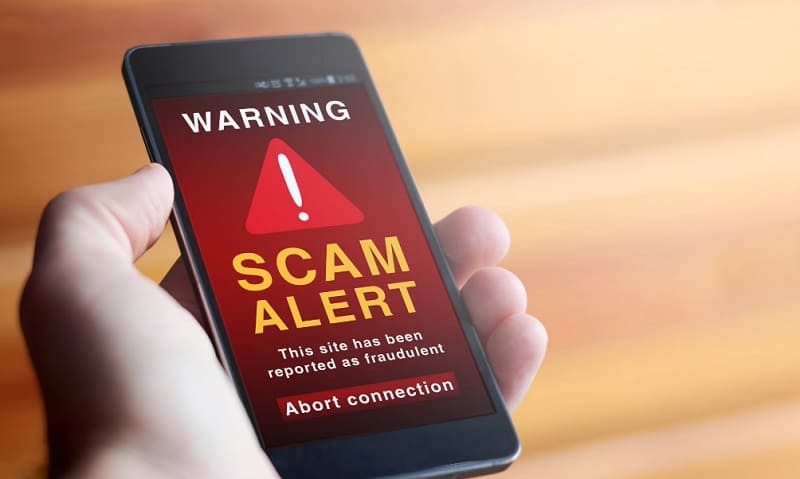
Victims should also be cautious of so-called “recovery scams”. Some fraudulent services promise guaranteed recovery or demand large upfront payments. Legitimate specialists typically explain the risks and limitations clearly.
What Victims Should Do Immediately
If you suspect that you have been targeted by a financial scam, taking quick action can improve your chances of recovery.
Important steps include:
- stop sending additional money immediately;
- save all communication with the scammers;
- collect transaction receipts and payment confirmations;
- record wallet addresses and platform URLs;
- report the incident to your bank and financial authorities.
Prompt reporting can sometimes allow institutions to freeze suspicious accounts before the funds disappear.
Conclusion
The fund recovery time after a scam can vary widely. Some cases are resolved within a few weeks, while others may take several months or longer, especially when cryptocurrency transactions or international networks are involved.
Factors such as the payment method, the speed of reporting, and the complexity of the fraud all play an important role in determining the timeline. While recovery is not guaranteed, early action and proper reporting significantly improve the chances of a successful outcome.
Understanding how the process works can help victims make informed decisions and avoid additional risks during an already difficult situation.
Sources
This article is based on publicly available information from:
- regulatory warnings issued by financial authorities;
- financial crime studies and fraud prevention reports;
- blockchain analytics research on cryptocurrency fraud;
- law enforcement investigations into online scams.
Examples include alerts and reports published by the Financial Conduct Authority and the U.S. Securities and Exchange Commission.
If you lost money to an online investment scam, you can request a free consultation with the StockView team. Specialists can review the case, analyze transaction details, and explain possible recovery options.
Get professional help with your case.