
Top Resources for Checking Crypto Projects
- Why Checking Crypto Projects Matters
- Types of Tools Used in Crypto Research
- Top Resources for Checking Crypto Projects
- Blockchain Explorers
- Market Data Platforms
- Token Analysis Platforms
- Blockchain Intelligence Platforms
- DeFi and Liquidity Analytics
- Practical Tips for Evaluating a Crypto Project
- Warning Signs of Suspicious Crypto Projects
- Conclusion
- Sources
The cryptocurrency market evolves rapidly, with hundreds of new tokens and blockchain projects appearing every month. While innovation continues to drive the industry forward, this fast pace also creates opportunities for fraudulent or poorly designed projects. For investors, performing basic research before buying a token is no longer optional — it is essential.
Fortunately, a wide range of tools now exists to help users check crypto projects and evaluate potential risks. These resources analyze blockchain data, token distribution, liquidity, and trading activity. Some platforms even track suspicious wallets and known scam networks.
Although no tool can guarantee that a project is completely safe, combining several reliable resources can significantly improve the quality of your research and help you avoid common crypto scams.
Why Checking Crypto Projects Matters
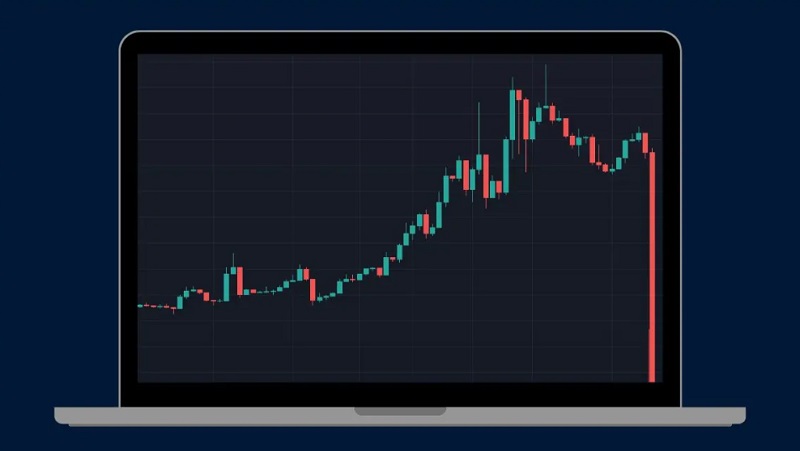
Cryptocurrency investments can be highly volatile, but risk does not come only from market fluctuations. Many losses occur because investors enter projects without verifying key details.
Some common threats include:
- Rug pulls, where developers withdraw liquidity and abandon the project.
- Fake tokens designed to imitate legitimate cryptocurrencies.
- Manipulated trading volumes that create the illusion of demand.
- Abandoned or inactive projects with no real development progress.
Because blockchain transactions are often irreversible, mistakes can be costly. Even a few minutes of research using reliable tools can reveal important warning signs before funds are committed.
Types of Tools Used in Crypto Research
Before exploring specific platforms, it is helpful to understand that crypto due diligence relies on several different types of resources. Each type provides a unique perspective on a project.
- Blockchain explorers allow users to inspect transaction history and smart contracts directly on the blockchain.
- Market data platforms track prices, trading volume, and exchange listings.
- Token analytics tools evaluate liquidity, contract risks, and token distribution.
- Blockchain intelligence platforms focus on tracking wallet activity and identifying suspicious transactions.
Using multiple categories together creates a more complete picture of a project’s legitimacy.
Top Resources for Checking Crypto Projects
Several widely used platforms provide valuable insights when researching new tokens.
Blockchain Explorers
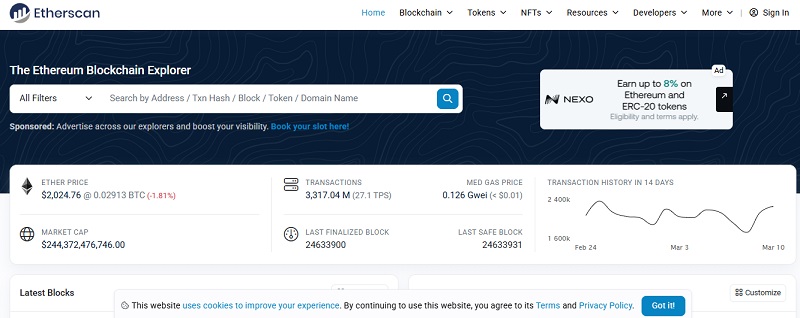
One of the first places to check a crypto project is a blockchain explorer such as Etherscan. These tools allow users to view on-chain data directly from the network.
With a blockchain explorer, investors can review:
- the token contract address;
- transaction history;
- wallet activity;
- the distribution of token holders.
A highly concentrated token distribution may indicate that a small number of wallets control the majority of supply, which can create manipulation risks.
Market Data Platforms
Market tracking websites help users understand how widely a cryptocurrency is traded and whether its reported activity appears realistic.
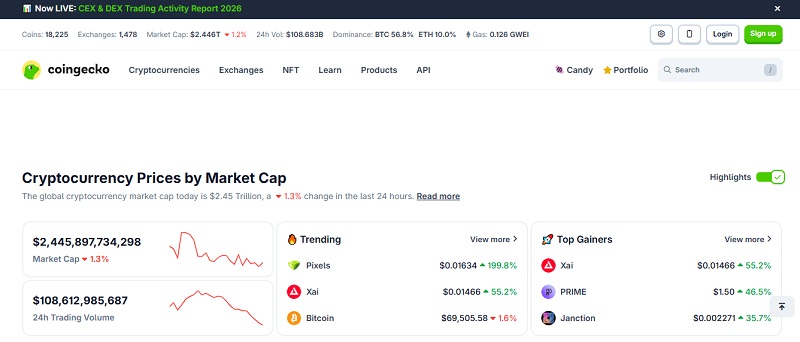
Two widely known platforms are CoinGecko and CoinMarketCap.
These services provide useful information such as:
- trading volume across exchanges;
- market capitalization;
- liquidity indicators;
- project links and documentation.
Comparing data across multiple exchanges can sometimes reveal inflated or suspicious trading activity.
Token Analysis Platforms
Token analytics tools are particularly useful for evaluating newly launched projects on decentralized exchanges.
Platforms like DEXTools or Token Sniffer analyze smart contracts and liquidity pools to detect potential risks. These tools often highlight issues such as:
- unlocked liquidity pools;
- minting functions that allow unlimited token creation;
- unusual contract permissions.
While these indicators do not automatically mean a project is fraudulent, they can help investors identify areas that require further investigation.
Blockchain Intelligence Platforms
More advanced platforms focus on analyzing the movement of cryptocurrency across networks.
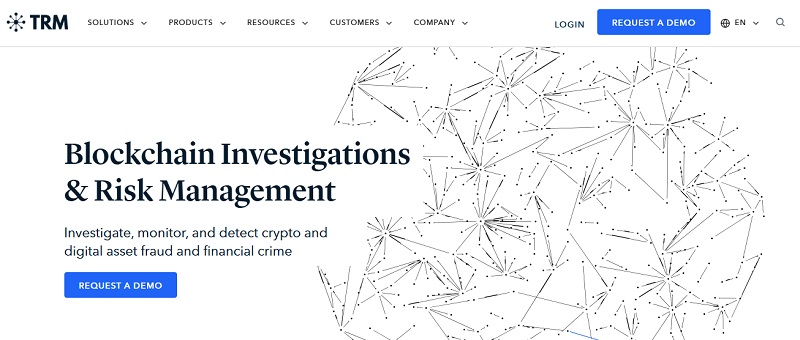
Companies such as TRM Labs and Arkham Intelligence specialize in blockchain intelligence and transaction analysis.
These tools can help identify:
- connections between wallets;
- suspicious transaction patterns;
- addresses linked to known fraud operations.
Although these platforms are often used by investigators and compliance teams, some features are also available to individual users.
TRM Labs and Arkham Intelligence are also one of the leading tools that flag suspicious wallets before you send funds.
DeFi and Liquidity Analytics
Another useful category includes platforms that monitor decentralized finance ecosystems.
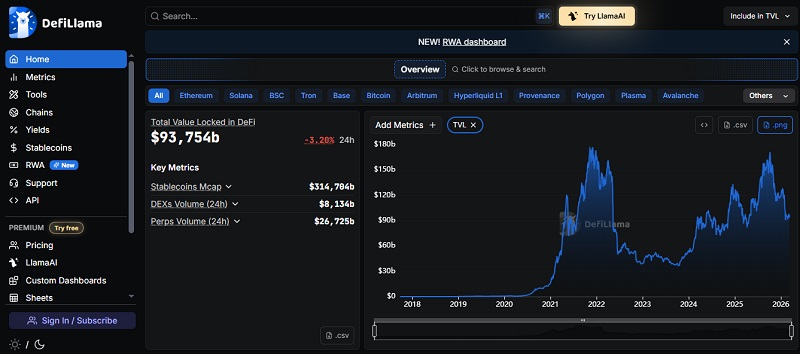
Services like DeFiLlama track liquidity across DeFi protocols and show how much capital is locked within a project. A sudden drop in liquidity can signal instability or a potential exit by project developers.
Understanding liquidity conditions is especially important when dealing with tokens traded primarily on decentralized exchanges.
Practical Tips for Evaluating a Crypto Project
Even the best tools are most effective when used together. Investors should consider combining several types of research before making a decision.
Some useful steps include:
- verifying the token contract through a blockchain explorer;
- checking whether liquidity is locked or controlled by developers;
- reviewing the distribution of token holders;
- confirming whether the project has been audited by reputable security firms;
- examining community activity on social media and developer platforms.
Looking at multiple indicators helps distinguish between legitimate projects and those that exist primarily for speculation.
Warning Signs of Suspicious Crypto Projects
Certain patterns frequently appear in risky or fraudulent crypto ventures. Recognizing these warning signs can prevent costly mistakes.
Common red flags include:
- anonymous development teams with no verifiable background;
- unrealistic promises of guaranteed returns;
- newly created token contracts with minimal transaction history;
- extremely low liquidity or restricted trading conditions;
- aggressive marketing campaigns focused on hype rather than technology.
When several of these indicators appear together, investors should approach the project with caution.
Conclusion
Researching cryptocurrency projects has become an essential part of responsible investing. With thousands of tokens available and new projects launching regularly, relying on hype or social media recommendations can lead to serious financial risks.
Tools such as blockchain explorers, market data platforms, token analytics services, and blockchain intelligence systems make it easier to check crypto projects and identify potential problems. While no single resource provides a complete answer, combining multiple sources allows investors to evaluate projects more carefully.
A thoughtful research process may take a little extra time, but it can significantly reduce the chances of falling victim to scams or poorly designed crypto ventures.
Sources
This article is based on publicly available information from:
- blockchain analytics reports;
- cryptocurrency market research platforms;
- financial crime studies related to digital assets;
- regulatory guidance on cryptocurrency risks.
Industry insights from organizations such as the Financial Conduct Authority and research from blockchain intelligence firms were also used to explain common crypto fraud patterns.
If you suspect that a crypto project may be fraudulent or have already lost funds to a suspicious platform, you can request a free consultation with the StockView team. Specialists can analyze blockchain transactions and help you understand possible next steps.
Get professional help with your case.