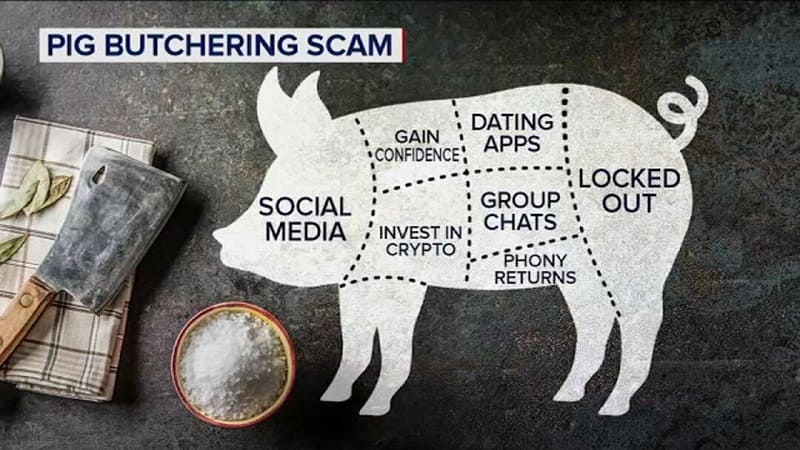
Pig Butchering Scam: How It Works and How to Avoid It
- What Is a Pig Butchering Scam?
- How the Pig Butchering Scam Works
- Stage 1: Initial Contact
- Stage 2: Relationship Building
- Stage 3: Introduction to Investment
- Stage 4: Increasing Deposits
- Stage 5: Withdrawal Problems
- Common Red Flags of Pig Butchering Scams
- How to Check if the Platform Is Legit
- Step 1: Verify the Regulator
- Step 2: Check Domain History
- Step 3: Look for Clone Warnings
- Step 4: Search User Complaints
- Step 5: Test Withdrawal Policy
- Reporting the Scam
- Conclusion
- Sources
The pig butchering scam has become one of the fastest-growing forms of online investment fraud in recent years. The scheme combines social engineering, emotional manipulation, and fake investment platforms designed to convince victims to deposit increasing amounts of money.
Unlike traditional scams that demand immediate payment, pig butchering schemes operate over weeks or even months. Fraudsters gradually build trust with victims — often through social media, messaging apps, or dating platforms — before introducing what appears to be a profitable investment opportunity.
In many cases, victims are directed to professional-looking crypto trading platforms or brokerage websites that simulate profits. By the time victims attempt to withdraw their funds, the scammers have already disappeared.
Understanding how this scam works is the first step toward protecting yourself.
What Is a Pig Butchering Scam?
A pig butchering scam is a long-term investment fraud strategy in which criminals “fatten up” victims before stealing their money. The term originates from the idea of gradually preparing a target before executing the final fraud.
The scam usually begins with an unsolicited message from a stranger who claims to have contacted the victim by mistake. Over time, the conversation becomes friendly and personal. The scammer may present themselves as a successful investor, cryptocurrency trader, or financial professional.
Eventually, they introduce an “exclusive” investment opportunity, typically involving cryptocurrency trading or a proprietary platform. Victims are encouraged to deposit funds and are shown fabricated profits to build confidence and encourage larger investments.
Because the platforms are controlled by the scammers, the displayed profits are entirely fake.
How the Pig Butchering Scam Works
Pig butchering scams follow a carefully structured process designed to build trust with victims before gradually persuading them to invest larger amounts of money.
Stage 1: Initial Contact
The first interaction often occurs through:
- WhatsApp or Telegram;
- social media platforms;
- dating applications;
- unexpected “wrong number” messages.
The scammer begins a casual conversation and slowly develops a connection with the victim.
Stage 2: Relationship Building
Over time, the scammer establishes trust through frequent communication. They may share details about their lifestyle, career, or investment success.
In many cases, the interaction becomes emotionally engaging, which makes victims more receptive to financial advice.
Stage 3: Introduction to Investment
Once trust is established, the scammer introduces a supposedly reliable trading opportunity.
Victims are directed to a platform that appears legitimate, with charts, account dashboards, and simulated trades. After depositing a small amount, the platform may show immediate profits.
Stage 4: Increasing Deposits
Seeing positive results, victims are encouraged to invest larger amounts. The scammer may claim that a limited-time opportunity or special strategy is available.
The platform continues to display profitable trades to reinforce the illusion of success.
Stage 5: Withdrawal Problems
When victims attempt to withdraw funds, the platform typically introduces unexpected requirements such as:
- “tax payments”;
- liquidity fees;
- verification charges;
- account upgrades.
Even if these payments are made, withdrawals never occur. Eventually, the scammers stop responding.

Common Red Flags of Pig Butchering Scams
Several warning signs frequently appear in these schemes:
- Investment advice from strangers online.
- Unrealistic or guaranteed trading profits.
- Pressure to invest quickly.
- Requests to deposit cryptocurrency rather than traditional payments.
- Platforms that make withdrawals difficult or impossible.
- Conversations that quickly move from public platforms to private messaging apps.
Recognizing these indicators early can help prevent financial losses.
How to Check if the Platform Is Legit
Before depositing funds on any trading platform, it is important to conduct basic verification. Even simple checks can reveal many fraudulent services.
Step 1: Verify the Regulator
Check whether the company claims to be licensed by a recognized financial authority.
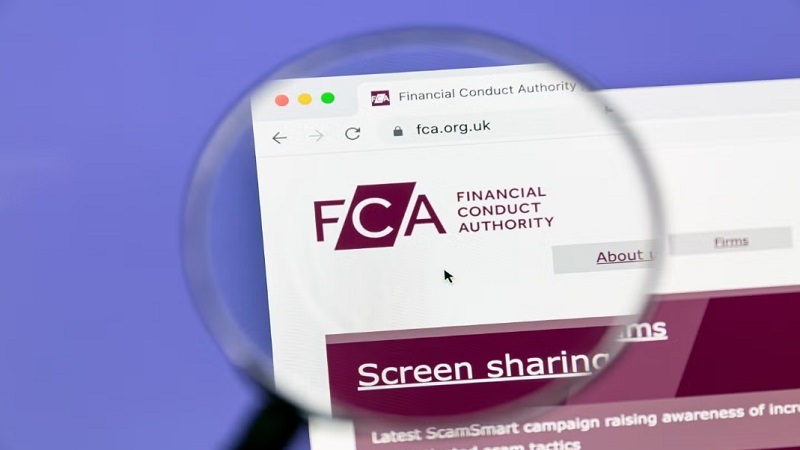
You can verify broker registrations through official registries of regulators such as:
- Financial Conduct Authority;
- U.S. Securities and Exchange Commission;
- Australian Securities and Investments Commission;
- Cyprus Securities and Exchange Commission.
If the company does not appear in official databases, the platform may be operating illegally.
Step 2: Check Domain History
Fraudulent platforms are often created quickly and disappear after a few months.
A domain lookup can reveal:
- the registration date of the website;
- domain ownership details;
- previous domain activity.
Newly registered domains promoting investment services should be treated with caution.
Step 3: Look for Clone Warnings
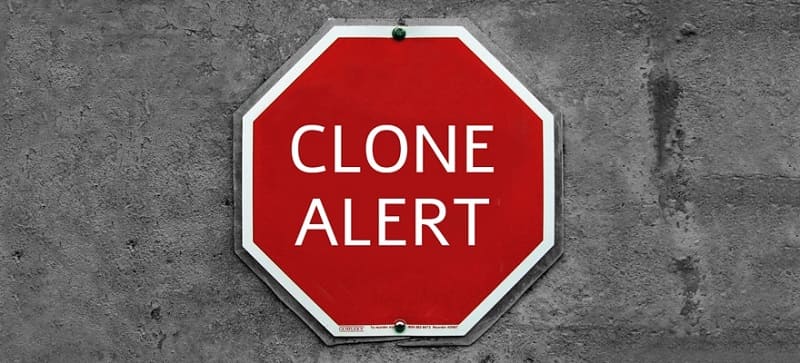
Some scammers copy the identity of legitimate brokers to appear trustworthy.
Financial regulators frequently publish warnings about clone firms that imitate licensed companies. Checking these lists can help detect impersonation attempts.
Step 4: Search User Complaints
Before investing, search for the platform’s name together with keywords such as “scam,” “review,” or “complaint.”
User reports can reveal issues like:
- blocked withdrawals;
- hidden fees;
- aggressive sales tactics.
A large number of unresolved complaints is a strong warning sign.
Step 5: Test Withdrawal Policy
Legitimate platforms clearly explain their withdrawal rules and allow users to withdraw funds without excessive restrictions.
Fraudulent platforms often:
- require unexpected payments;
- delay withdrawals indefinitely;
- block accounts after large deposits.
If a platform imposes unusual conditions for withdrawals, it may be part of a scam.
Reporting the Scam
If you believe you have encountered a pig butchering scam, reporting the incident can help authorities investigate fraudulent networks and warn other potential victims.
Reports can be submitted to financial regulators such as:
You can also contact:
- national cybercrime units;
- consumer protection agencies;
- local law enforcement.
When submitting a report, it is helpful to collect evidence including:
- transaction records;
- cryptocurrency wallet addresses;
- platform URLs;
- screenshots of conversations with the scammers.
This information can assist investigators in tracing fraudulent activity.
Conclusion
Pig butchering scams are sophisticated fraud operations that rely on patience, emotional manipulation, and convincing fake investment platforms. By gradually gaining a victim’s trust, scammers can persuade individuals to deposit increasingly large amounts of money.
However, many of these schemes share common warning signs. Verifying platform licenses, researching domain history, and reviewing user complaints can help identify suspicious services before funds are deposited.
Staying cautious when receiving investment advice from strangers online remains one of the most effective ways to avoid becoming a victim.
Sources
This article is based on publicly available information from:
- regulatory warnings issued by financial authorities;
- blockchain analytics reports on crypto fraud trends;
- financial crime research and academic studies;
- law enforcement investigations into online investment scams.
Examples include alerts from the Financial Conduct Authority and the U.S. Securities and Exchange Commission.
If you lost money to an investment scam, you can request a free consultation with the StockView team. Our specialists analyze suspicious platforms and help victims understand possible recovery options.
Get professional help with your case.