Phantom Wallet Is Becoming the Main Target of Solana Scammers
- Why Phantom Became So Popular
- Scammers Follow User Density and Fast Liquidity
- Fake NFT Airdrops Became One of the Biggest Threats
- How Wallet Drainers Actually Work
- Fake Staking and Memecoin Projects
- Why Phantom Is Mentioned So Often in Scam Reports
- Phantom’s Security Features and Limitations
- Common Phantom-Related Scam Types
- How Solana’s Speed Changed Scam Dynamics
- How Users Can Reduce Drainer Risk
- Safer Wallet Habits
- Wallet Scams Became More Professional
- Conclusion
- FAQ
- Sources
- Need Help?
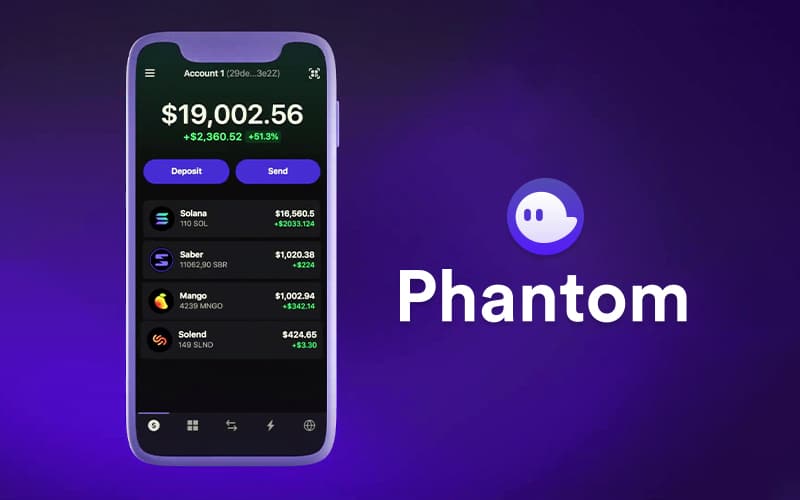
Phantom became one of the fastest-growing crypto wallets during Solana’s explosive expansion. Fast transactions, low fees, NFT adoption, and the memecoin boom turned it into the default entry point for millions of retail users.
But that popularity created a major side effect. In 2026, Phantom users increasingly became primary targets for:
- fake NFT airdrops;
- malicious staking pages;
- wallet-drainer campaigns;
- fraudulent memecoin launches;
- phishing links disguised as Solana tools.
Across Reddit, Telegram, X, and Discord, users regularly report crypto accounts being emptied after connecting to suspicious Solana websites or approving deceptive transactions.
The key issue, however, is often misunderstood. Phantom itself is not a scam. Its massive retail adoption made it one of the most profitable attack surfaces in the Solana ecosystem.
Why Phantom Became So Popular
Several factors helped the crypto holding solution dominate the SOL ecosystem.
The service offered:
- simple onboarding;
- clean UX;
- fast connections;
- integrated swaps and NFT support;
- smooth mobile experience.
At the same time, Solana’s infrastructure made speculative trading extremely accessible. Unlike older ecosystems where gas fees discouraged experimentation, SOL enabled rapid low-cost activity:
- NFT minting;
- memecoin trading;
- staking;
- DeFi farming;
- airdrop hunting.
As Solana exploded in popularity, Phantom naturally became the default wallet for many retail participants.
That concentration attracted scammers. Cybercriminals almost always target ecosystems with large user bases, active speculation, fast-moving liquidity, and inexperienced participants.
Scammers Follow User Density and Fast Liquidity
Modern wallet-drainer operations behave less like isolated hackers and more like scalable businesses. Their goal is simple: maximize the number of crypto service approvals in the shortest possible time.
Solana’s culture unintentionally created ideal conditions for this model:
- rapid trading;
- constant memecoin launches;
- impulsive clicking behavior;
- heavy social-media hype;
- fear of missing out.
Many malicious campaigns are specifically designed around urgency:
- “Claim before snapshot ends”
- “Limited whitelist access”
- “Final staking round”
- “Exclusive NFT mint”
Because Solana transactions are extremely fast and inexpensive, users often approve interactions almost reflexively. That speed benefits legitimate trading — but it also accelerates phishing success rates.
Fake NFT Airdrops Became One of the Biggest Threats
One of the most common attack vectors involves spam NFTs.
Users suddenly receive:
- fake collectibles;
- reward tokens;
- “official” airdrops;
- staking vouchers;
- update notifications.
The NFT itself is usually not the danger. The real threat is the external link attached to it.
Phantom’s own security documentation repeatedly warns users about fake giveaways and malicious airdrops designed to trick users into connecting their crypto account or signing dangerous transactions.
According to Phantom: “Assume any unsolicited NFT in your wallet is a scam.”
Reddit discussions show how frequently this still works.
- One Solana user described receiving a fake tokenized asset, clicking a “claim” transaction, and watching the wallet get drained shortly afterward.
- Another common tactic involves fake “security update” NFTs impersonating Phantom itself. Security researchers previously documented campaigns where malicious NFTs directed users to malware-infected websites disguised as Phantom updates.
These attacks increasingly blur the line between phishing, malware distribution, and wallet-drainer infrastructure.

How Wallet Drainers Actually Work
Many users still believe crypto storages only get compromised if:
- the seed phrase is stolen;
- the device is hacked.
Modern drainers often work differently. In many cases, the victim voluntarily approves a malicious transaction without understanding its consequences.
This usually happens through:
- deceptive signing requests;
- hidden token permissions;
- fake staking approvals;
- malicious transaction bundles.
Researchers analyzing Solana phishing operations describe how fake airdrop sites lure users into signing transactions that secretly transfer assets or wallet permissions.
Some advanced drainers even manipulate simulation systems to make malicious transactions appear harmless.
The process is often surprisingly simple:
- User connects wallet
- Fake interface displays reward claim
- User signs approval
- Assets move instantly
Because Solana transactions finalize rapidly, stolen funds can disappear within seconds.
Also Read: Crypto Wallet Trap Scams: Why Scammers Give You Access to Funds
Fake Staking and Memecoin Projects
The memecoin boom dramatically accelerated phishing activity on Solana.
Many malicious campaigns now imitate:
- staking dashboards;
- governance portals;
- token launchpads;
- liquidity pools;
- “official” memecoin presales.
Attackers increasingly use:
- cloned websites;
- fake X accounts;
- artificial engagement;
- Telegram bot networks;
- influencer impersonation.
The strategy depends heavily on hype cycles. A fraudulent launch may only exist for several hours before disappearing completely after draining connected wallets. Some campaigns even compromise legitimate social-media accounts to distribute malicious links.
The combination of fast speculation, meme culture, and social virality creates extremely effective conditions for phishing operations.
Why Phantom Is Mentioned So Often in Scam Reports
The crypto service appears constantly in scam discussions for one primary reason: it dominates SOL ecosystem retail usage. That means most Solana victims naturally use Phantom by default.
The same mechanics also exist across:
- MetaMask;
- Rabby;
- Trust Wallet;
- Coinbase Wallet.
But because Solana’s ecosystem is heavily concentrated around Phantom, the crypto storage appears in a disproportionate number of reports. This distinction matters.
The existence of phishing campaigns targeting the crypto application does not mean the wallet itself is fraudulent. In fact, Phantom actively publishes security guidance and anti-phishing education. Popularity simply increases attack visibility.
Phantom’s Security Features and Limitations
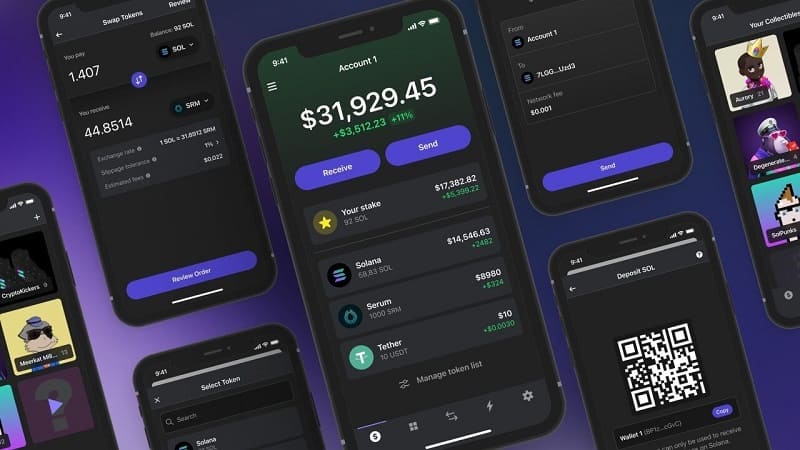
Over time, the platform introduced multiple protective systems:
- spam NFT filtering;
- malicious-domain blocklists;
- transaction previews;
- suspicious-site warnings;
- token risk indicators.
The company states that its transaction-preview system is designed to warn users about phishing attempts and malicious approvals before transactions are signed.
Common Phantom-Related Scam Types
| Scam Type | Typical Goal |
|---|---|
| Fake NFT airdrop | Wallet connection |
| Malicious staking page | Approval draining |
| Fake memecoin launch | Fast wallet interaction |
| Fake support DM | Seed phrase theft |
| Clone website | Credential harvesting |
Still, no wallet can fully eliminate social engineering risk. Users often ignore warnings, trust fake branding, approve transactions too quickly, and prioritize speed over verification. That remains the biggest vulnerability.
How Solana’s Speed Changed Scam Dynamics
Solana’s technical advantages also changed phishing economics. Because transactions are cheap, fast, and scalable, attackers can launch extremely large phishing campaigns at low cost.
Spam NFTs, fake token drops, and malicious wallet prompts can be distributed to massive numbers of addresses almost instantly.
This makes SOL particularly attractive for:
- mass phishing;
- memecoin manipulation;
- automated drainer infrastructure.
Security researchers increasingly describe wallet-drainer ecosystems as highly industrialized operations rather than isolated attacks.
In practice, Solana’s growth expanded both legitimate innovation and the overall attack surface.
How Users Can Reduce Drainer Risk
There is no perfect protection system, but several habits significantly reduce exposure.
Users should:
- never click links inside unsolicited NFTs;
- avoid “claim now” urgency tactics;
- verify domains through official sources;
- separate trading blockchain account from long-term storage;
- use burner wallets for memecoin activity;
- review transaction prompts carefully;
- avoid signing unfamiliar approvals.
Cold storage devices also remain extremely important because they create an additional verification layer before approvals.
Safer Wallet Habits
| Practice | Why It Helps |
|---|---|
| Burner wallet | Limits exposure during risky interactions |
| Hardware storage | Adds transaction verification |
| Separate storage wallet | Protects long-term holdings |
| Domain verification | Reduces phishing exposure |
| Ignoring spam NFTs | Avoids malicious redirects |
Wallet Scams Became More Professional
The biggest change in 2026 is professionalism. Modern phishing campaigns increasingly use:
- polished UI clones;
- AI-generated engagement;
- fake communities;
- automated social amplification;
- realistic branding.
Some scam-related projects now look more sophisticated than legitimate startups. Industry researchers increasingly warn that wallet-drainer ecosystems are evolving faster than many users realize. This is especially visible inside fast-moving ecosystems driven by speculation and viral hype.
Conclusion
Phantom did not create Solana scams. Its popularity simply made it one of the largest targets in the ecosystem.
The combination of memecoin speculation, instant transactions, aggressive phishing campaigns, and fake NFT airdrops created ideal conditions for scalable wallet-drainer operations.
And in 2026, crypto account security depends less on the storage brand itself — and far more on understanding exactly what you are approving before you sign.
FAQ
Is Phantom Wallet safe?
Phantom is a legitimate and widely used Solana service, but users can still lose funds through phishing and malicious approvals.
Can fake NFTs drain your wallet?
The NFT itself usually cannot. The danger typically comes from malicious links connected to the NFT.
What is a wallet drainer?
A drainer is malicious infrastructure designed to steal assets after users approve deceptive transactions.
Why do Solana scams target Phantom users?
Because Phantom dominates SOL ecosystem retail adoption, making it the largest concentration of potential victims.
Can Phantom recover stolen funds?
Generally, blockchain transactions are irreversible once approved.
Are fake staking links dangerous?
Yes. Many phishing campaigns imitate staking dashboards to trick users into approving malicious transactions.
What happens if I connect my wallet to a scam site?
Depending on the permissions approved, attackers may gain the ability to transfer assets or drain tokens.
How do Phantom wallet drainers work?
Most rely on malicious transaction approvals rather than direct hacking of the wallet itself.
Should I create a separate burner wallet?
Many experienced traders use burner wallets for high-risk memecoin or NFT activity.
Can hardware wallets protect against drainers?
They help reduce risk by adding manual transaction verification, but users can still approve malicious transactions.
Sources
- Phantom Security Guide
- GoPlus Security — Solana phishing analysis
- Bitdefender — Fake Phantom update NFTs
- Binance Square — Phantom phishing attack report
Need Help?
If your Phantom wallet was drained after approving a suspicious transaction or connecting to a malicious Solana site, blockchain transaction analysis may help identify how the attack happened.
StockView specialists analyze:
- wallet-drainer activity;
- malicious approvals;
- suspicious Solana transactions;
- phishing-related transfers;
- transaction flow reconstruction.
A professional review may help clarify which permissions were approved and whether additional wallets or assets remain exposed.
Get professional help with your case.