
Crypto Wallet Approval Scams: How Hackers Drain Funds Without Passwords
- The Core Mechanism: You Didn’t Get Hacked — You Gave Permission
- How Wallet Drainer Attacks Actually Work
- Why No Password Is Needed
- Types of Malicious Approvals
- Where These Attacks Hide Today
- Red Flags Inside Wallet Pop-Ups
- How to Protect Yourself
- What to Do If You Already Approved a Malicious Contract
- Why This Scam Is Growing So Fast
- Conclusion
- Sources
Many crypto users still believe a simple rule: if you never share your password or seed phrase, your funds are safe. In 2025–2026, that assumption no longer holds. A growing number of attacks don’t involve hacking wallets at all — they rely on something much more subtle: user-approved permissions.
Victims often describe the same scenario. They connect their wallet to a website, sign a transaction that looks routine, and within seconds their funds are gone. No alerts, no suspicious logins — just an empty balance. To understand why this happens, you need to look at how wallet approvals actually work.
The Core Mechanism: You Didn’t Get Hacked — You Gave Permission
At the center of these scams is a misunderstanding of how blockchain permissions function.
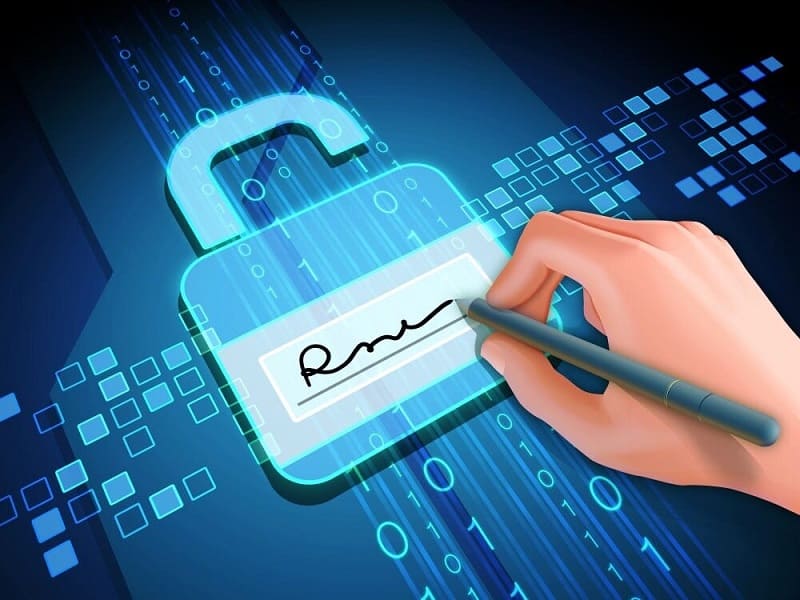
Crypto wallets don’t operate like traditional accounts secured by passwords. Instead, they rely on cryptographic signatures. When you approve a transaction, you are not just confirming an action — you are granting specific permissions to a smart contract.
In approval scams, users unknowingly authorize malicious contracts to access their tokens. Once that approval is granted, the attacker doesn’t need to “hack” anything. The system itself allows them to move funds within the scope of the permission.
This is why victims are often confused:
- they never shared their seed phrase,
- they never gave login access,
- yet their assets were transferred.
From the blockchain’s perspective, everything happened legitimately.
How Wallet Drainer Attacks Actually Work
Although variations exist, most wallet drainer attacks follow a predictable structure.
Entry Point
The user is directed to a malicious website. This can happen through social media, ads, phishing emails, or fake airdrop announcements.
Wallet Connection
The site prompts the user to connect their wallet. This step appears harmless and is common across legitimate platforms.
Hidden Approval
Instead of a simple interaction, the user is asked to sign a transaction that grants token permissions. The request is often disguised as:
- claiming rewards,
- verifying a wallet,
- minting an NFT.
Automatic Drain
Once approved, a script executes transactions that transfer funds out of the wallet. These transfers can occur instantly or be triggered later, depending on how the contract is designed.
The key detail: no further confirmation is required after the initial approval.
Also Read: How to Identify Fake Wallets on App Stores
Why No Password Is Needed
Traditional security models focus on protecting access — passwords, two-factor authentication, device verification. But blockchain systems operate differently.
When you sign a transaction, you are effectively issuing a cryptographically valid instruction. The network does not distinguish between “safe” and “malicious” intent — it only verifies that the signature is correct.
Approval scams exploit this design. Instead of breaking security, they use it exactly as intended.
That’s why these attacks feel invisible. There is no breach. No intrusion. Just a permission that was granted under misleading circumstances.

Types of Malicious Approvals
Not all approvals are equally dangerous. Some give attackers minimal access, while others expose your entire wallet.
- Unlimited Token Approvals. The most common type. Grants the contract permission to spend all tokens of a certain type, not just a specific amount.
- Multi-Token Access. Some contracts are designed to interact with multiple assets, allowing attackers to target everything from stablecoins to governance tokens.
- NFT Transfer Permissions. Users may unknowingly allow contracts to transfer NFTs, which are then quickly sold or moved.
- Batch Approvals. Advanced contracts bundle multiple permissions into a single transaction, making it harder to detect the full scope of access.
The problem is that most wallet interfaces do not clearly communicate these risks.
Where These Attacks Hide Today
Wallet drainer scams have evolved far beyond obvious phishing pages. Today, they are embedded in environments that look legitimate and familiar.
Common vectors include:
- Fake airdrop campaigns promising free tokens.
- NFT minting sites with limited-time offers.
- DeFi dashboards that mimic real protocols.
- Clone websites of popular projects.
- Paid ads leading to malicious domains.
Many of these platforms are visually indistinguishable from real ones, which lowers user suspicion and increases conversion rates for attackers.
Also Read: Top Resources for Checking Crypto Projects
Red Flags Inside Wallet Pop-Ups
The most critical moment in these scams is the wallet confirmation window. Unfortunately, it is also the most misunderstood.
Watch for the following warning signs:
- Requests labeled “Set approval for all”.
- Mentions of “unlimited spending”.
- Unknown or unreadable contract addresses.
- Vague or missing transaction descriptions.
These prompts are often designed to look routine. In reality, they may grant far more access than expected.
How to Protect Yourself
Avoiding approval scams requires a shift in mindset — from trusting interfaces to verifying permissions.
- Use Separate Wallets. Keep a primary wallet for storage and a secondary wallet for interactions with new or unverified platforms.
- Manage Approvals Actively. Regularly review and revoke permissions granted to smart contracts.
- Treat Every Signature as High-Risk. Before approving any transaction, assume it could grant access to your assets.
- Limit Exposure. Avoid connecting your main wallet to unfamiliar sites, especially those discovered through ads or unsolicited messages.
Also Read: Can Someone Send Fake Bitcoin to Your Coinbase Account?
What to Do If You Already Approved a Malicious Contract
If you suspect a malicious approval, time is critical:
- Revoke permissions as quickly as possible.
- Transfer remaining assets to a secure wallet.
- Document all relevant data: wallet address. transaction hashes, contract addresses.
Even if funds have already been moved, this information may help with tracking and reporting.
Why This Scam Is Growing So Fast
Approval-based attacks are rapidly expanding because they are efficient and scalable.
They do not require:
- hacking infrastructure,
- breaking encryption,
- stealing credentials.
Instead, they rely on a simple principle: convince the user to approve access voluntarily.
This makes them easier to automate, harder to detect, and highly effective across large numbers of targets.

Conclusion
Crypto wallet approval scams represent a fundamental shift in how digital assets are stolen. The danger no longer lies in losing control of your wallet — it lies in granting access without fully understanding it.
Your wallet didn’t fail. The system wasn’t broken. It executed exactly what it was told to do.
Recognizing this distinction is the first step toward protecting your assets in an environment where trust can be convincingly simulated — and quickly exploited.
Sources
- Kaspersky — “What crypto drainers are, and how to fend them off.” Explains how wallet drainers exploit user-approved transactions rather than hacking wallets directly.
- CryptoForensic — “Avoiding Crypto Drainers, Approval Phishing and Malicious Smart Contracts.“ Provides a technical breakdown of how malicious smart contract approvals grant attackers control over assets.
- Webopedia — “How to revoke token approvals safely.” Explains the risks of unlimited token approvals and why permissions must be actively managed.
If your wallet was drained after signing a suspicious transaction or approving a smart contract, you can request a free consultation with the StockView team. Specialists can analyze blockchain activity, identify malicious approvals, and help you understand possible next steps.
Get professional help with your case.