From Fake Profits to Recovery Scams: The SW Alliance Investment Scheme Explained
- The Structure Behind SW Alliance
- The Role of Roy Coin and the RCN Ecosystem
- Following the Money: Kraken to Trust Wallet to RCN
- The Withdrawal Problem
- The Second Scam Begins
- A Larger Network?
- Why the Scheme Appeared Convincing
- Conclusion
- FAQ
- Sources
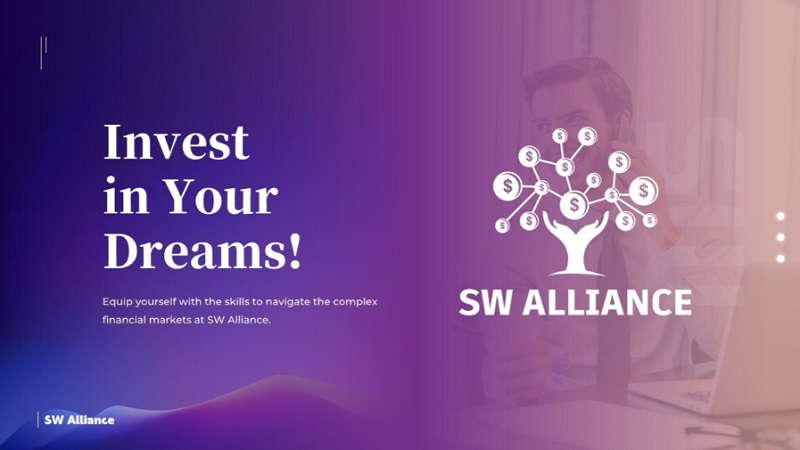
Most cryptocurrency scams promise quick profits. SW Alliance promised something much more powerful: belonging.
Former participants describe an ecosystem that looked surprisingly professional. There were daily market briefings, educational sessions, cryptocurrency forecasts, promotional videos, AI-themed presentations, and a community that appeared to be filled with successful investors. Instead of anonymous salespeople, the operation revolved around trusted personalities who introduced themselves as experienced market experts.
For many victims, the experience felt less like joining an investment scheme and more like becoming part of an exclusive financial club. That sense of legitimacy may explain why SW Alliance continued attracting investors long after warning signs began to emerge.
The Structure Behind SW Alliance
Unlike traditional frauds that immediately ask for money, SW Alliance appears to have relied on a gradual trust-building process:
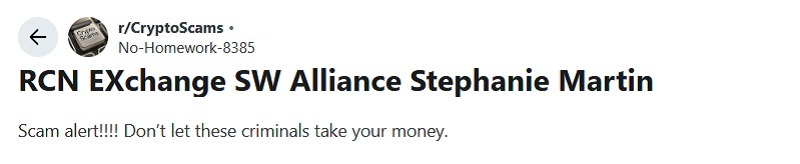
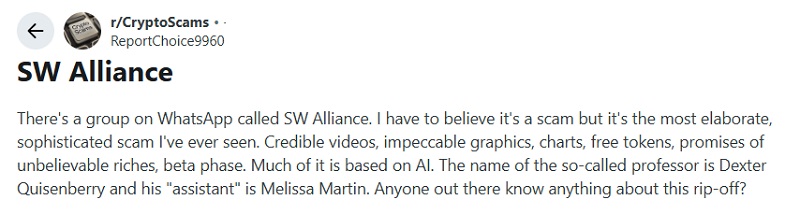
- People were typically invited into WhatsApp groups where market discussions took place daily. The central figure was a so-called professor, most commonly introduced as Dexter Quisenberry.
- Alongside him was an assistant, usually appearing under names such as Melissa Martin or Stephanie Martin. Their role was not simply to provide trading information. They created a sense of mentorship and personal connection.
- Participants were encouraged to watch presentations, follow trading examples, and observe profitable transactions before risking their own money.
- Some users even reported receiving small amounts of cryptocurrency or access to demonstration accounts, making the operation appear transparent and generous.
This approach closely resembles a scam model that regulators have repeatedly warned about. The Washington State Department of Financial Institutions describes a recurring pattern involving self-proclaimed professors, assistants, private messaging groups, daily trading signals, VIP investment tiers, and free promotional crypto assets designed to encourage larger deposits later.

The Role of Roy Coin and the RCN Ecosystem
A recurring theme in victim reports involves a collection of little-known assets and platforms associated with SW Alliance.
Among the names most frequently mentioned are:
- Roy Coin (ROY);
- SWA tokens;
- RCN Exchange;
- various ecosystem-specific investment products.
These assets were presented as part of a rapidly growing digital economy that allegedly offered opportunities unavailable through mainstream exchanges.
Several investors describe watching their balances increase dramatically after following signal-based trading strategies. On paper, the results looked extraordinary. Account values often appeared to grow far faster than would normally be expected in legitimate trading environments.
The critical issue is that displayed profits are not necessarily the same as accessible funds.
Many complaints only began after users attempted to withdraw.
Following the Money: Kraken to Trust Wallet to RCN
One of the most detailed victim accounts reveals a common transaction path.
The process often began on a legitimate exchange. Investors purchased cryptocurrency through established platforms and then transferred those assets into personal wallets such as Trust Wallet. From there, they were instructed to move funds into addresses connected to the investment program.
| Stage | Reported Process |
|---|---|
| 1 | Purchase cryptocurrency on a regulated exchange |
| 2 | Transfer assets into Trust Wallet |
| 3 | Send funds to wallets connected to the investment platform |
| 4 | Observe rapid growth of account balances |
| 5 | Attempt to withdraw profits |
| 6 | Encounter restrictions and payment demands |
This structure is significant because the initial stages involve legitimate services. Victims see real blockchain transactions, real wallet activity, and real balances moving between accounts. That familiarity can create confidence in the broader system.
The problem emerges once assets enter the environment controlled by the operators. At that point, investors often lose independent visibility into where funds actually reside.
Also Read: Trust Wallet Scams: How Users Lose Funds and How to Protect Yourself
The Withdrawal Problem
Across numerous reports, the same turning point appears repeatedly:
- investors were able to deposit funds easily,
- withdrawing them was a different matter.
One participant reported turning a small balance into approximately $11,000 before discovering that withdrawals were restricted because of participation in a profit program.
Another user claimed that a six-figure investment became inaccessible unless an additional $50,000 payment was made. Others describe demands for taxes, management fees, verification charges, or account unlocking payments.
| Reason Given | Reported by Victims |
|---|---|
| Asset management fees | Yes |
| Withdrawal processing fees | Yes |
| Tax obligations | Yes |
| Account verification costs | Yes |
| Unlocking frozen funds | Yes |
A notable characteristic is that these payments were frequently requested from external wallets rather than deducted directly from the supposedly profitable account balance.
Victims often questioned why fees could not simply be taken from existing funds. According to reports, satisfactory explanations rarely followed.
The Second Scam Begins
For some victims, losing money to SW Alliance was not the end of the story. It was the beginning of another scam.
A recurring feature of cryptocurrency fraud is the emergence of fake recovery agents. These individuals claim they can track blockchain transactions, freeze wallets, recover stolen assets, or even hack the original scammers.
One former investor described being contacted by a person who promised to retrieve funds lost through the SW Alliance network. The proposal initially sounded reasonable. Payment would supposedly be required only after recovery.
Over time, however, additional requests appeared:
- The recovery specialist asked for transaction information, wallet details, and eventually the seed phrase to a Trust Wallet account.
- The victim later reported seeing what appeared to be recovered funds inside the wallet. Those assets could not actually be moved.
- Shortly afterward, additional payments were requested to cover so-called gas fees required to complete the recovery process.
- When the victim refused to continue sending money, communication reportedly stopped.
This pattern is widely recognized within the fraud-prevention community.
The Global Anti-Scam Alliance has specifically warned that scammers frequently impersonate recovery organizations, investigators, and asset-recovery specialists in order to exploit people who have already suffered losses.
Also Read: Crypto Wallet Approval Scams: How Hackers Drain Funds Without Passwords
A Larger Network?
SW Alliance may not have existed in isolation.
Online discussions repeatedly connect it to other operations featuring remarkably similar structures. The names change, but the underlying formula often remains intact.
| Feature | SW Alliance | WH Alliance | DZ Alliance |
|---|---|---|---|
| Professor character | Dexter Quisenberry | Roland Quisenberry | Damon Quisenberry |
| Assistant character | Melissa/Stephanie Martin | Rebecca Martin | Amanda Martin |
| Messaging-app recruitment | Reported | Reported | Reported |
| Trading signals | Yes | Yes | Yes |
| Proprietary tokens | ROY, SWA | WHA | DZA |
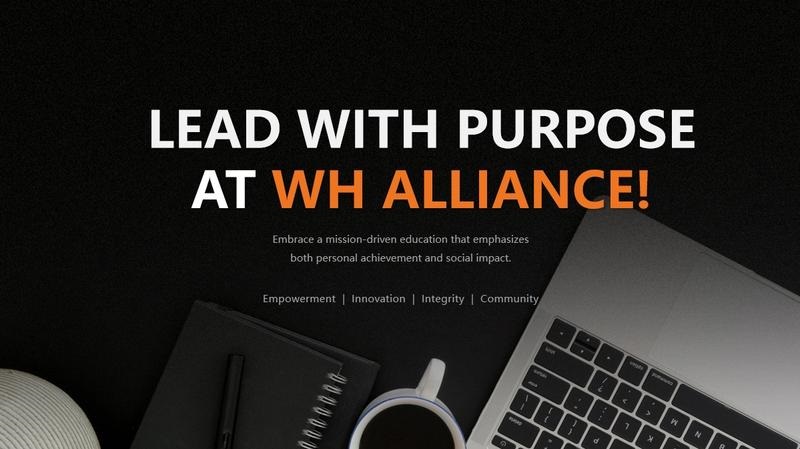
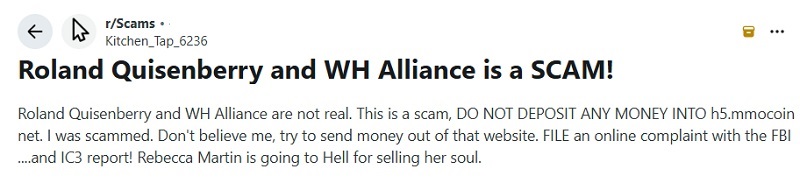
Victim reports involving WH Alliance and DZ Alliance describe nearly identical experiences:
- charismatic professors,
- daily signals,
- custom exchanges,
- proprietary tokens,
- and withdrawal difficulties.
Whether these projects share operators cannot be proven from public information alone. What can be observed is the remarkable consistency of the business model.
Why the Scheme Appeared Convincing
Many investment scams fail because they look suspicious from the beginning. SW Alliance appears to have succeeded because it did not.
Participants frequently mention:
- professional presentations;
- detailed market analysis;
- active communities;
- educational content;
- apparently successful trades;
- sophisticated branding.
Several victims specifically stated that the operation was more convincing than any previous scam they had encountered. Some remained involved for months before attempting a withdrawal and discovering problems.
The lesson is important.
Fraudulent investment operations no longer rely on poor design or obvious deception. Modern schemes increasingly mimic legitimate financial communities, making independent verification more important than appearances.
Conclusion
The evidence surrounding SW Alliance points to a recurring pattern seen across many cryptocurrency investment frauds.
The operation reportedly used authority figures, private messaging groups, proprietary digital assets, and promises of exceptional returns to attract investors. Funds were often routed through personal wallets into a closed ecosystem where account balances appeared to grow rapidly. Difficulties emerged when participants attempted to withdraw.
For some victims, the damage extended beyond the initial loss. Recovery scammers later approached them with promises of retrieving stolen assets, creating a second opportunity for exploitation.
Perhaps the most revealing aspect of the SW Alliance story is not the technology involved but the psychology. The scheme appears to have been built on trust, community, and perceived expertise. Those elements can be far more persuasive than any trading platform or token ever could.
FAQ
What was SW Alliance?
It was a cryptocurrency investment community that operated primarily through WhatsApp and Telegram groups.
Who was Dexter Quisenberry?
He was presented as the lead investment expert or professor associated with the group.
What was RCN Exchange?
Victim reports describe RCN Exchange as a platform connected to the SW Alliance ecosystem where funds and trading activity were managed.
Why couldn't users withdraw funds?
Many participants report being asked to pay additional fees, taxes, or account charges before withdrawals would be approved.
What is Roy Coin?
Roy Coin (ROY) was one of several tokens promoted within the ecosystem.
What is a recovery scam?
A recovery scam targets previous fraud victims by promising to recover lost assets in exchange for additional payments or sensitive information.
Should anyone share a Trust Wallet seed phrase?
No. Anyone who obtains a seed phrase can potentially control the wallet and its assets.
Are WH Alliance and DZ Alliance related?
Public discussions frequently compare these projects because they appear to use very similar structures and personas.
Sources
- Reddit discussions
- Global Anti-Scam Alliance – Recovery scam warning
- Reddit – Additional WH Alliance investigation thread. WH Alliance Investigation
Get professional help with your case.