Crypto Pump and Dump Schemes: How They Work and How Investors Can Avoid Them
- What Is a Crypto Pump and Dump?
- Why Crypto Markets Are Especially Vulnerable to Pump-and-Dump Schemes
- How Pump-and-Dump Groups Actually Operate
- Signal Groups
- Early Insider Positions
- Rapid Buying Phase
- Insider Exit
- The Role of Social Media and Influencers
- New Pump-and-Dump Trends Emerging in 2025–2026
- How to Identify a Potential Pump-and-Dump Before Buying
- Practical Tools for Detecting Market Manipulation
- What Usually Happens After the Pump
- Tips for Safer Crypto Investing
- Conclusion
- Sources
The cryptocurrency market is known for rapid price movements and high volatility. While these dynamics create opportunities for traders, they also make the market vulnerable to manipulation. One of the most common forms of manipulation is the crypto pump and dump scheme, where coordinated groups artificially inflate the price of a digital asset before selling it for profit.
Unlike traditional financial markets, many cryptocurrency tokens trade in environments with limited regulation and relatively low liquidity. This allows organized groups to influence prices with comparatively small amounts of capital. Social media platforms, private messaging groups, and automated trading signals have made it easier than ever to coordinate these operations.
For investors — especially those exploring smaller tokens or newly launched projects — understanding how pump-and-dump schemes work is an important step toward avoiding costly mistakes.
What Is a Crypto Pump and Dump?
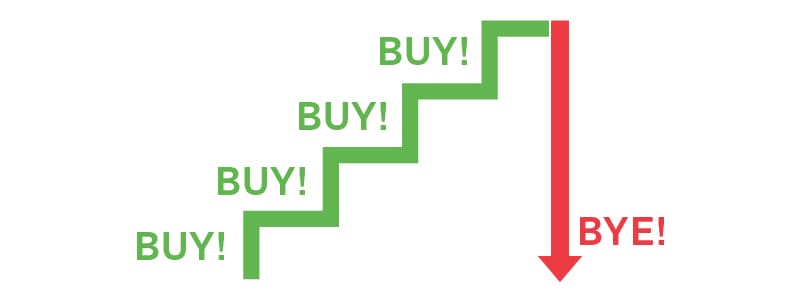
A pump-and-dump scheme is a form of market manipulation in which a group of participants artificially increases the price of a cryptocurrency before selling their holdings at the peak.
- The process typically follows a predictable pattern:
- Organizers quietly accumulate a low-liquidity token.
- A promotional campaign begins, generating hype around the asset.
- Traders rush to buy the token as the price rises quickly.
- Early insiders sell their positions at inflated prices.
- The price collapses, leaving late buyers with losses.
Because many cryptocurrency tokens have relatively small trading volumes, even modest buying pressure can trigger dramatic price spikes. This creates the perfect environment for coordinated manipulation.
Why Crypto Markets Are Especially Vulnerable to Pump-and-Dump Schemes
Several structural features of the crypto ecosystem make pump-and-dump strategies easier to execute compared with traditional financial markets.
- Low Market Liquidity. Many smaller cryptocurrencies have thin order books and limited liquidity. In these conditions, coordinated buying activity can move prices significantly within minutes.
- Fragmented Trading Environment. Cryptocurrency assets often trade across dozens of centralized and decentralized exchanges. This fragmentation makes it more difficult to monitor manipulation consistently.
- Speculative Investor Behavior. Retail investors frequently react quickly to price momentum or viral trends. When traders see a token suddenly rising in value, they may rush to buy before investigating the underlying project.
- Limited Regulatory Oversight. Financial regulators such as the U.S. Securities and Exchange Commission and the Financial Conduct Authority have repeatedly warned that digital asset markets remain susceptible to manipulation and fraud.
How Pump-and-Dump Groups Actually Operate
Although each scheme may differ slightly, many pump operations follow a similar structure. These campaigns are typically organized by a small group of insiders who coordinate activity in advance and use online communities to trigger rapid market reactions. The strategy relies on speed, information asymmetry, and the tendency of retail traders to follow sudden price movements.
Signal Groups
Pump campaigns often begin in private communities on messaging platforms such as Telegram or Discord. Members receive alerts — sometimes called “signals” — announcing which token will be targeted at a specific time. These signals are usually released simultaneously to hundreds or even thousands of participants, creating an immediate wave of coordinated buying.
In some cases, access to these signals is sold through subscription programs that promise exclusive trading opportunities or early access to profitable market movements. Administrators may advertise the group by posting screenshots of previous pumps or exaggerated claims about past profits. However, most participants receive the signal only after organizers have already positioned themselves in the market.
Early Insider Positions
Before the signal is released to the group, organizers typically accumulate large positions in the selected token. This accumulation phase can take place quietly over several hours or days to avoid attracting attention from the wider market. The tokens chosen for these operations are usually small-cap assets with low liquidity, making them easier to manipulate.
By entering the market early, insiders secure significantly lower prices than the participants who will later react to the signal. In some cases, organizers also distribute tokens across multiple wallets to conceal how much supply they control. This preparation ensures that once the coordinated buying begins, insiders can sell their holdings at a substantial profit.
Rapid Buying Phase
After the signal is announced, participants rush to buy the token simultaneously. Because hundreds of traders may attempt to purchase the asset within seconds, the sudden surge in demand can push the price upward very quickly. These dramatic price movements often appear on trading charts as sharp vertical spikes.
The rapid increase can attract additional traders who notice the surge through exchange dashboards or social media discussions. This secondary wave of buyers — often called “FOMO traders” (fear of missing out) — can accelerate the price increase even further. During this phase, the token may briefly trend across crypto tracking platforms, which reinforces the perception that the asset is experiencing genuine market momentum.
Insider Exit
Once the price reaches its peak, the organizers begin selling their tokens. Because they entered the market earlier at lower prices, they can exit their positions while still generating significant profits. These sales usually occur gradually during the peak buying phase to avoid triggering an immediate collapse.
As insiders unload their holdings, the buying pressure that drove the price upward begins to disappear. Eventually the market can no longer sustain the inflated price level, and the token’s value starts to fall rapidly. Traders who bought late in the cycle often find themselves unable to sell quickly enough, leaving them with substantial losses after the price returns to its original level or even lower.
The Role of Social Media and Influencers
In recent years, social media platforms have become powerful tools for amplifying pump campaigns.
Promotional content may appear on platforms such as Twitter/X, TikTok, YouTube, or Reddit. Some posts highlight supposed “hidden gems” or coins expected to deliver massive returns. Others present exaggerated predictions or charts suggesting imminent price explosions.
In certain cases, influencers receive compensation to promote specific tokens without clearly disclosing the arrangement. When large audiences respond to these promotions, the sudden increase in buying pressure can contribute to the pump phase of the scheme.

New Pump-and-Dump Trends Emerging in 2025–2026
As the cryptocurrency ecosystem evolves, pump-and-dump tactics continue to adapt.
- One emerging trend involves rapid token launch platforms, which allow new cryptocurrencies — often meme-based tokens — to be created and traded within hours. These environments can attract speculative traders while giving manipulators opportunities to organize fast pump cycles.
- Another development is the use of automated social media promotion. Networks of bots can generate large volumes of posts promoting a token, creating the illusion of widespread interest.
- There have also been cases where hackers temporarily gain access to verified social media accounts and use them to promote newly launched tokens. These endorsements can trigger sudden trading activity before the attackers sell their holdings.
In addition, modern pump campaigns frequently coordinate across multiple platforms simultaneously, combining messaging groups, influencer promotion, and algorithmic trading bots.
How to Identify a Potential Pump-and-Dump Before Buying
Although pump schemes can appear convincing, several warning signs often appear before the price surge.
Investors should be cautious if they observe:
- sudden price increases without clear news or development updates;
- aggressive marketing campaigns promoting quick profits;
- extremely low liquidity or small market capitalization;
- a large percentage of tokens held by a few wallets;
- “exclusive” trading signals promising guaranteed returns.
These indicators do not always confirm manipulation, but they should encourage investors to investigate further before entering the market.

Practical Tools for Detecting Market Manipulation
Several widely used tools can help investors evaluate cryptocurrency projects more carefully.
- Blockchain explorers such as Etherscan allow users to review transaction histories and analyze token distribution. If a small number of wallets control a large share of the supply, the token may be vulnerable to manipulation.
- Market data platforms such as CoinGecko provide information about trading volume, liquidity, and exchange listings. Sudden spikes in trading activity may indicate coordinated buying behavior.
- More advanced analytics platforms, including Chainalysis, analyze transaction patterns and can identify suspicious market activity across blockchain networks.
Using several of these resources together can provide a clearer picture of a token’s market dynamics.
What Usually Happens After the Pump
After the initial surge, pump-and-dump schemes typically end in a sharp price decline.
Once organizers sell their positions, buying pressure disappears and the token’s price begins to fall rapidly. Traders who entered the market late often find themselves holding assets that lose a large portion of their value within minutes or hours.
In some cases, liquidity providers withdraw funds from trading pools, which can accelerate the collapse and make it difficult to sell remaining tokens.
Tips for Safer Crypto Investing
While the crypto market always involves risk, several precautions can reduce exposure to pump-and-dump schemes.
Investors should consider:
- avoiding tokens experiencing sudden unexplained price spikes;
- researching project fundamentals before buying;
- analyzing token distribution and liquidity levels;
- treating “exclusive trading signals” with skepticism;
- diversifying investments rather than concentrating funds in speculative assets.
Taking time to verify a crypto project can prevent decisions driven purely by market hype.
Conclusion
Crypto pump-and-dump schemes remain one of the most common forms of market manipulation in the digital asset ecosystem. The combination of low liquidity, rapid trading activity, and social media hype creates ideal conditions for coordinated price manipulation.
Although these schemes can generate temporary excitement and rapid gains for early participants, they almost always end with significant losses for traders who join the market late.
For investors, the most effective protection is careful research and a healthy level of skepticism. Understanding how pump-and-dump schemes operate—and recognizing the warning signs — can help traders make more informed decisions in a fast-moving and often unpredictable market.
Sources
This article draws on:
- research related to cryptocurrency market manipulation;
- blockchain analytics studies;
- regulatory warnings issued by authorities such as the U.S. Securities and Exchange Commission and the Financial Conduct Authority.
If you believe you were affected by a cryptocurrency manipulation scheme or lost funds after investing in a suspicious token, you can request a free consultation with the StockView team. Specialists can review blockchain transactions and help you understand possible next steps.
Get professional help with your case.
Latest Articles
-
Crypto Pump and Dump Schemes: How They Work and How Investors Can Avoid Them
16 March 2026
-
How Scam Brokers Manipulate Trading Platforms
12 March 2026
-
Top Resources for Checking Crypto Projects
11 March 2026
Report a Scam and Get Help
Share the details of the company you believe may be fraudulent. A specialist will review your report.