The immediate question for the U.S. crypto industry is no longer whether Washington wants clearer rules, but whether lawmakers can deliver them before the political calendar closes the window.
Summary:
The White House is pushing the CLARITY Act ahead of a crucial Senate vote
Major crypto and financial companies joined regulators for Trump's August 19 summit
If Congress stalls again, the SEC and CFTC may become the main drivers of U.S. crypto policy
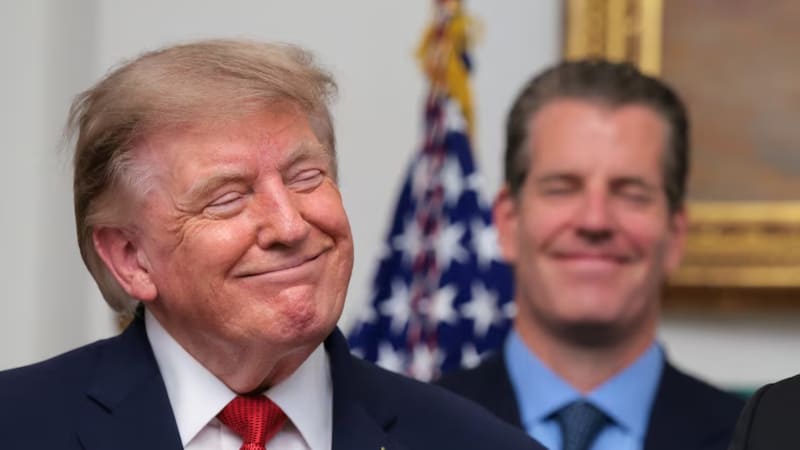
That issue dominated Trump's August 19 White House meeting with executives from Coinbase, Kraken, Ripple, Gemini, Robinhood, Nasdaq and Intercontinental Exchange. SEC Chair Paul Atkins and CFTC Chair Mike Selig also attended.
Trump used the meeting to call on Congress to approve a “fair version” of the CLARITY Act, which is intended to establish clearer legal categories for digital assets and define the responsibilities of the SEC and CFTC.
The legislation already cleared the House and the Senate Banking Committee, but its progress stalled before the summer recess. The next major test is expected on September 15, leaving lawmakers only a limited period to resolve remaining disputes before the election season intensifies.
There is a fallback if Congress fails to act. The SEC has begun developing its own framework for digital-asset fundraising, while the CFTC is preparing to use its existing authority more actively. Industry representatives have warned that agency rules could provide short-term clarity but would be easier for a future administration to reverse than legislation.
The White House meeting also sent a broader message: the administration does not intend to wait indefinitely for Congress. Trump presented financial technology, crypto and AI as parts of the same competition for technological leadership.
For the industry, September could therefore determine whether U.S. crypto policy gets a durable congressional framework or continues to evolve primarily through regulators.
Related: Earlier, we reported that Bitwise CIO Matt Hougan argued the crypto market could continue expanding even if the CLARITY Act fails, with SEC regulation potentially filling the gap left by Congress.