CySEC Regulation: How It Works and What to Do If Funds Are Lost
- Regulatory Scope: What CySEC Actually Oversees
- How CySEC Licensing Works
- How to Verify a Broker’s CySEC License
- CySEC Warnings and Blacklisted Firms
- Key Tools CySEC Offers Investors
- How Reliable is CySEC as a Regulator?
- Can CySEC Help You Recover Funds?
- When CySEC Can Be Useful
- What To Do If You Sent Funds to a Scam Broker
- How CySEC Communicates With Investors
- Conclusion
- FAQ
- Sources
The Cyprus Securities and Exchange Commission (CySEC) is one of the most visible financial regulators in Europe, especially in the retail brokerage space. Many online brokers, particularly in forex, CFDs, and digital assets, are licensed under CySEC — and this has led to a common perception that a CySEC license automatically means safety.
As regulatory scrutiny tightens and investor awareness grows in 2025–2026, many traders are re-evaluating what oversight by CySEC actually means in practice. The label “CySEC-regulated” is widely used by brokers — but its real implications, protections, and limitations are often misunderstood.
This makes it essential to separate perception from reality: what mechanisms CySEC truly operates, how its supervision is structured, and what recourse (if any) exists for investors who lose funds while dealing with firms claiming CySEC authorization.
Rather than relying on surface-level assumptions, this guide focuses on how the regulatory system functions in practice — including verification methods, enforcement tools, and the practical steps available in suspected fraud scenarios, based on current and credible information.
Regulatory Scope: What CySEC Actually Oversees
CySEC is the financial regulator of Cyprus, responsible for overseeing investment services and securities markets. Its supervision covers brokerage firms providing access to instruments such as forex, contracts for difference (CFDs), and certain digital asset activities.
At the same time, CySEC operates within the wider European regulatory system, primarily under MiFID II. This framework establishes common rules across EU countries, including standards for investor protection, transparency, and business conduct.
Operating as part of the EU regulatory system gives CySEC extended reach: firms licensed in Cyprus can offer services across the European Economic Area through the “passporting” mechanism.
At the same time, holding a CySEC license should not be interpreted as a guarantee of full investor protection in all cases. Its supervisory approach and enforcement intensity differ from regulators such as the Financial Conduct Authority or the U.S. Securities and Exchange Commission, which are often regarded as more stringent in practice.

How CySEC Licensing Works
To obtain a CySEC license, an investment firm must meet specific requirements that typically include:
- Minimum capital and financial resources
- Internal compliance and risk management systems
- Reporting and audit practices
- Fit‑and‑proper assessments for key personnel
These obligations are outlined within the regulatory framework of CySEC and are accessible via its official website. The regulator periodically revises its requirements to remain consistent with European directives and to address evolving risks, including those related to digital assets.
Licensing is not a one‑time check; regulated firms must:
- submit periodic reports,
- maintain transparency,
- comply with ongoing supervision.
However, the depth of supervision can vary significantly by firm size and business model, which means compliance presence does not always equate to proactive enforcement.
How to Verify a Broker’s CySEC License
Before engaging with any broker claiming CySEC oversight:
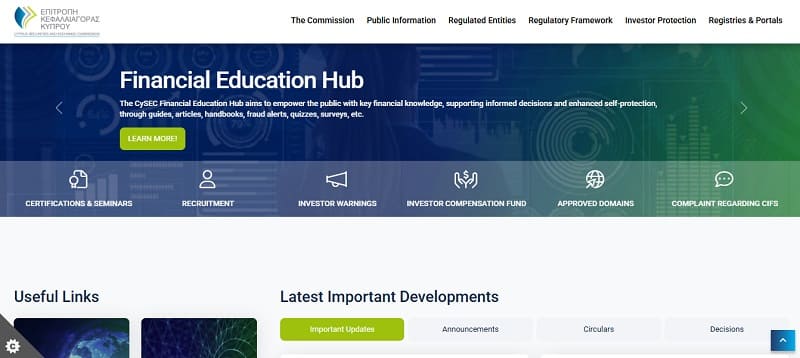
- Visit the official CySEC register. CySEC maintains a public register of licensed entities. This list includes company names, license numbers, and regulated activities.
- Check the license number. Compare the broker’s claims against the register — mismatches often signal misrepresentation.
- Verify authorized activities. Some firms hold a license but are authorized only for specific activities. Ensure the broker’s services fall within those activities.
- Look for risk warnings or enforcement history. Information on enforcement actions and disciplinary measures is publicly disclosed by CySEC through its official website.
Reviewing these records forms a critical part of the due diligence process and should be completed before transferring funds to any trading platform.
Also Read: Fake Broker Licenses — How to Verify Regulation in 10 Minutes
CySEC Warnings and Blacklisted Firms
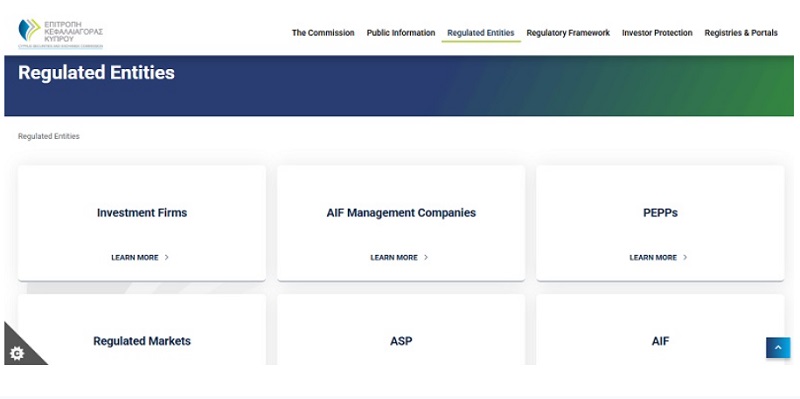
CySEC publishes public warnings about firms that are operating without authorization or that are potentially misleading investors by falsely claiming a license. These warnings form part of CySEC’s investor alert mechanism.
Investors are advised to regularly cross-check any broker they consider against warning lists published by CySEC. Recent alerts indicate that some flagged entities falsely claim associations with well-known international brands — a common tactic used by fraudsters to create a misleading sense of legitimacy and gain investor trust.
Key Tools CySEC Offers Investors
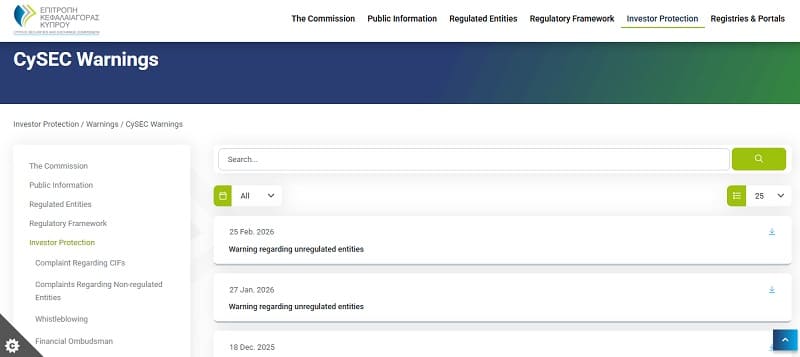
CySEC’s official website provides several resources that investors can use:
- Public register of regulated entities
- Investor alerts regarding unauthorised firms
- Published enforcement decisions
- Guidance documents on compliance obligations
While these tools enhance transparency, it’s important to understand that they serve informational and oversight functions, not individual fund recovery.
How Reliable is CySEC as a Regulator?
CySEC’s reliability must be viewed in context:
Strengths
- Operates under EU law (MiFID II), setting minimum protection standards.
- Publishes public registers and warnings.
- Works in coordination with other European regulators via ESMA.
Limits
- Enforcement intensity may be lower than regulators with broader statutory powers (e.g., UK FCA, U.S. SEC).
- In some cases, CySEC’s sanctions can be slower or narrower in scope.
- The regulator does not act as a consumer advocate — its mandate is systemic oversight, not restitution.
A CySEC license indicates a baseline regulatory commitment, but it does not ensure immunity from misconduct or guarantee investor funds are protected in every scenario.
Can CySEC Help You Recover Funds?
CySEC does not directly return money to individual investors. Because of legal and jurisdictional limitations, a regulator cannot step in like a bank dispute mediator to reverse transactions or reimburse losses.
However, CySEC can support fund recovery indirectly in some situations:
- by investigating regulatory violations,
- by issuing sanctions or revoking licenses,
- by sharing information with law enforcement or other regulators.
These actions may strengthen a recovery case, especially if a broker is found to have breached regulations. For example, if CySEC publicly disciplines a firm for mishandling client funds, this documentation can be useful when pursuing:
- chargebacks through a bank or payment provider,
- complaints via alternative dispute resolution (ADR) bodies,
- legal action in courts.
Nevertheless, success is not guaranteed, and time is often a decisive factor.
When CySEC Can Be Useful
CySEC’s involvement can be most effective when:
- you have verified that the broker was truly regulated,
- you submit a formal complaint with clear documentation,
- violations involve systemic breaches (e.g., segregation of client funds),
- authorities coordinate across borders.
In this sense, CySEC’s actions are part of a broader toolkit that might support recovery efforts — but they are not themselves a recovery mechanism.
What To Do If You Sent Funds to a Scam Broker
If you believe a broker claiming CySEC regulation has defrauded you:
- Document everything. Screenshots, transaction IDs, contracts, communications.
- Verify the broker’s regulatory status. Cross‑reference with CySEC’s official list.
- Submit a formal complaint to CySEC. Use the regulator’s complaint channels — this creates an official record.
- Contact your bank or payment provider. Request chargeback or reversal if possible.
- Engage legal or recovery specialists. Especially if funds were moved across crypto wallets or offshore accounts.
- Report to law enforcement. This may include local cybercrime units or financial crime agencies.
Taking action quickly increases the likelihood of preserving evidence and potentially freezing assets.
Also Read: Chargeback, Crypto Tracing, Courts, or Negotiations: Which Recovery Method Is Right for You?
How CySEC Communicates With Investors
It’s useful to understand what CySEC will and will not do:
CySEC will:
- publish warnings and enforcement reports,
- regulate and supervise licensees,
- provide information on compliance expectations.
CySEC will not:
- act as a financial recovery service,
- reverse transactions on your behalf,
- serve as a victim compensation fund.
Understanding these limits helps set realistic expectations and focus on actionable steps. It also plays a critical role in identifying fraud: scammers often impersonate regulators like CySEC and offer “assistance” with recovering lost funds. In reality, such recovery offers are a common scam tactic, as legitimate regulators do not contact individuals with fund recovery services.
Conclusion
CySEC is a legitimate financial regulator operating under EU law, and its oversight can lend credibility to brokers that meet regulatory standards. However, a CySEC license is not a guarantee of safety, nor does the regulator act as a direct channel for fund recovery.
If you’ve lost money to a broker — CySEC‑regulated or otherwise — rapid action, documentation, and the right expertise are your best allies. Regulators like CySEC can support accountability and transparency, but recovering lost funds relies on a combination of regulatory pressure, legal avenues, and professional intervention.
FAQ
- Is a CySEC‑regulated broker always safe?
No — regulation reduces risk but does not eliminate fraud.
- Can CySEC refund my lost money?
Not directly; recovery usually involves other channels.
- How do I check a CySEC license?
Use the official CySEC public register.
- What should I do first after a suspected scam?
Document evidence and verify regulatory status.
Sources
- Cyprus Securities and Exchange Commission (CySEC) — official register & investor alerts
- MiFID II Directive — European regulatory framework
- ESMA — supervisory cooperation and investor protection reports
If you lost funds to a broker regulated or claiming to be regulated by CySEC, you can request a free consultation with the StockView team to explore your options and next steps.
Get professional help with your case.