China has taken another step in its campaign to influence the future of artificial intelligence, using the World Artificial Intelligence Conference in Shanghai to introduce new international institutions instead of domestic stimulus measures.
Summary:
Beijing launched the World AI Cooperation Organization (WAICO) and unveiled new international AI initiatives
China is increasing support for developing nations through training, technology sharing, and regional partnerships
The moves underscore Beijing's effort to shape global AI rules as competition with the US intensifies
At the center of the announcement was the creation of the World AI Cooperation Organization (WAICO), a Shanghai-based body intended to coordinate AI cooperation among participating countries. Chinese authorities presented the organization as a platform for developing shared governance standards and expanding access to AI technologies, particularly for emerging economies.
Beijing also unveiled a broader international package that includes 5,000 training programs, new cooperation hubs with regional organizations, and the expansion of the MAZU weather forecasting system to dozens of countries. The initiatives target partners across Asia, Africa, Latin America, and other developing regions.
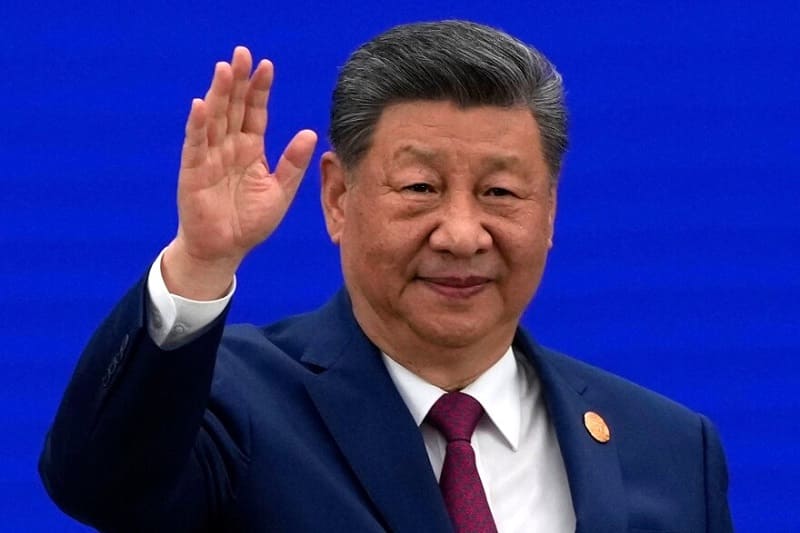
During his address, President Xi Jinping argued that AI should be governed through international collaboration rather than unilateral restrictions. He urged governments to strengthen global coordination, keep humans responsible for AI decision-making, and avoid using national security concerns as barriers to technological cooperation.
The announcements arrive as China and the United States compete to shape the next generation of AI infrastructure. While Washington has tightened controls on advanced technologies, Beijing is increasingly promoting open AI models, international partnerships, and shared digital infrastructure as part of its global strategy.
Financial markets reacted cautiously. Bloomberg reported that investors had anticipated fresh measures to stimulate China's domestic AI sector, but Xi's speech focused largely on foreign cooperation, leaving the STAR 50 Index under pressure.
Industry observers remain split over Beijing's approach. Some view the new initiatives as an opportunity to broaden global participation in AI development, while others believe they primarily strengthen China's geopolitical influence by exporting its technological ecosystem and governance model.