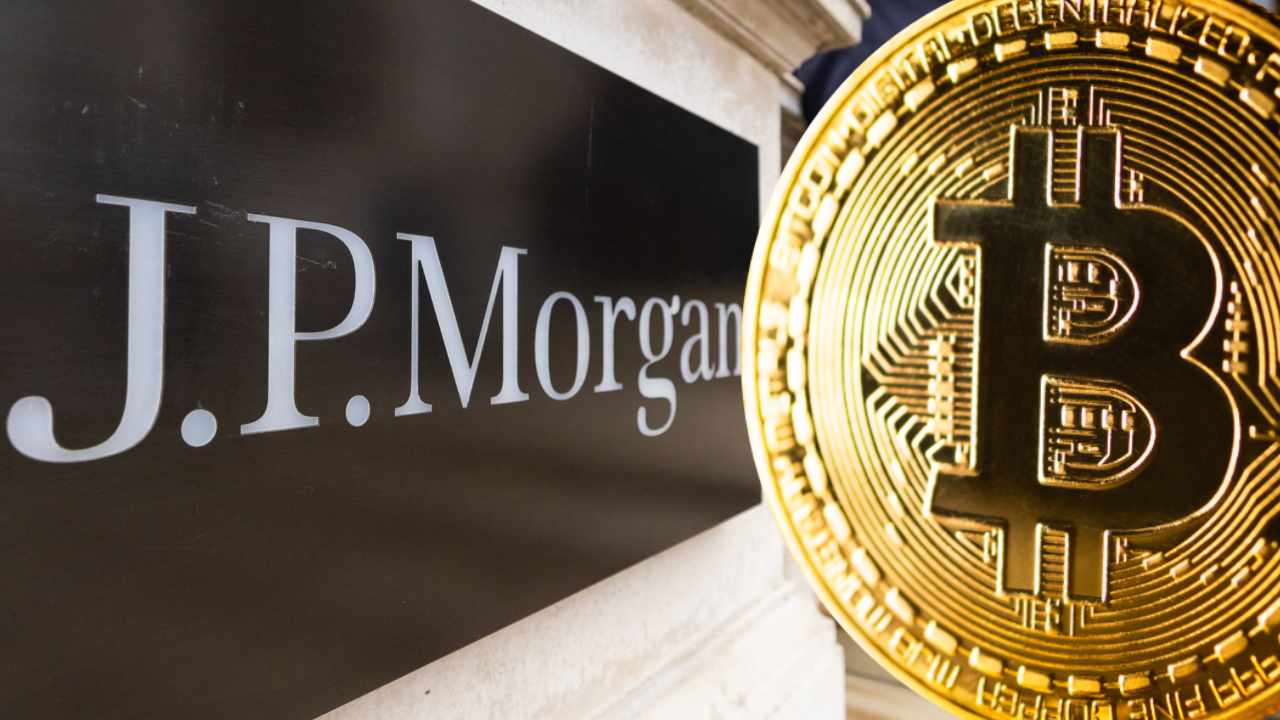
Bitcoin's future may depend less on market volatility and more on how the financial industry chooses to adopt blockchain technology, according to a new analysis from JPMorgan.
Summary:
JPMorgan says Bitcoin’s greatest long-term risk is the rise of private blockchain infrastructure, not corporate BTC sales
Banks are increasingly favoring permissioned networks for tokenization, payments, and settlement
Analysts believe public blockchains could play a smaller role if financial institutions build closed digital ecosystems
The bank argues that the most significant long-term challenge for Bitcoin is not large holders selling their reserves but the growing preference among financial institutions for private blockchain networks that operate without public crypto tokens.
According to analysts, banks continue to prioritize permissioned infrastructure because it better supports regulatory compliance, customer identification, privacy, governance, and transaction scalability. As more institutions tokenize assets and modernize payment systems, much of that activity could remain inside proprietary networks rather than public blockchains.
JPMorgan believes this trend could create stronger competitive pressure for open blockchain ecosystems, particularly those designed to support decentralized applications and tokenized assets. The report also notes that institutions are increasingly exploring tokenized deposits, which could reduce reliance on stablecoins for large-scale settlements if adopted more widely.
Analysts suggest that services such as asset issuance, custody, settlement, and lifecycle management may increasingly be handled within private financial infrastructure. Public blockchains, by comparison, could be used primarily for interoperability between networks, asset distribution, and selected secondary-market transactions. JPMorgan cited projects involving DTCC, Securitize, and Swift as examples of this direction.
The report also acknowledges that the outlook is far from certain. Wider stablecoin adoption, greater integration between private and public blockchains, or Bitcoin maintaining its role as a digital store of value could all limit the impact of this trend. Even so, JPMorgan argues that the future balance between open and permissioned blockchain networks may become one of the defining factors shaping the crypto market over the coming years.