Trezor Phishing Emails in 2026: How Did Scammers Know I Own a Trezor?
- Why Phishing Has Become More Convincing
- The Weaponization of Real Security Events
- What Recent Campaigns Have in Common
- The Unique Email Dilemma: Reddit and Forum Cases
- Historical Context: The January 2024 Incident
- Evaluating Potential Exposure Sources
- Why Bad Actors Know You Own a Hardware Wallet
- Anatomy of a Deceptive Security Warning
- Official Update Process vs. Phishing Lures
- Process Comparison
- Why Polished Emails Are No Longer Trustworthy
- Verification Hierarchy
- Scenarios for Unique Address Exposure
- Recommended Action Plan for Recipients
- What to Do If You Entered Your Recovery Backup
- What to Do If You Installed Software
- Where to Report Fraudulent Activity
- Core Takeaways for Wallet Owners
- Frequently Asked Questions
- Sources
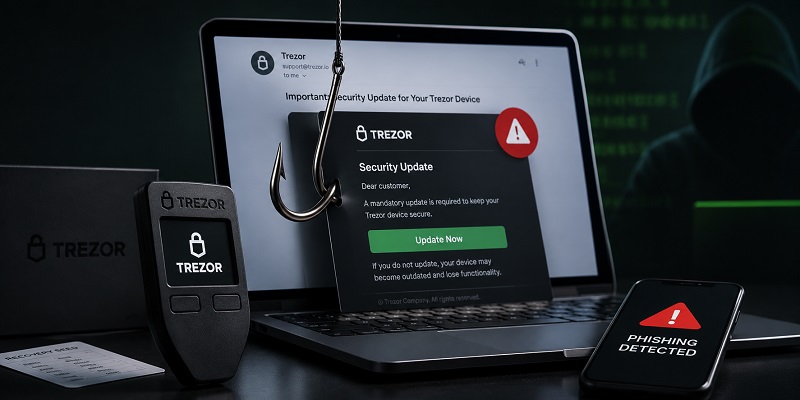
In 2026, cryptocurrency communities face an influx of convincing notifications pretending to come from Trezor. These alerts often reference firmware, security incidents, or device protection. What makes them alarming is that these communications frequently arrive at unique addresses created solely for purchasing a Trezor.
While random crypto-themed spam is common, targeted dispatches sent to exclusive addresses raise a serious question: was customer data exfiltrated from Trezor or its third-party vendors?
Reddit threads highlight repeated campaigns involving fake firmware updates, fabricated security alerts, and deceptive requests designed to harvest recovery phrases. Although Trezor has acknowledged ongoing impersonation schemes, current evidence does not confirm a new core database breach. Several vector possibilities exist, and distinguishing between them is critical.
Why Phishing Has Become More Convincing
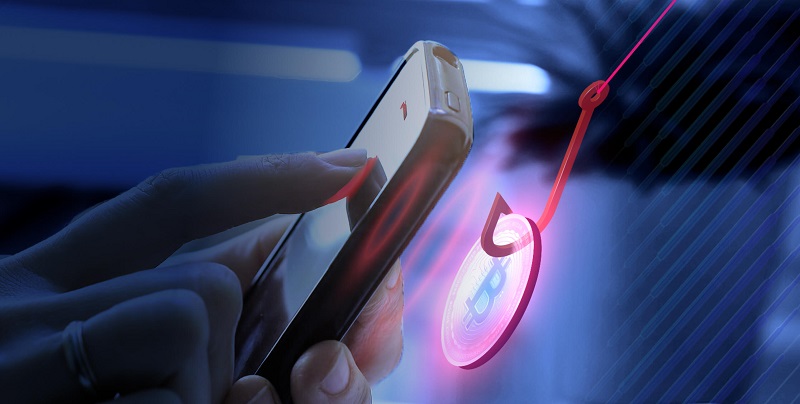
Current campaigns go well beyond poorly written text asking recipients to "verify account information." Modern lures exploit actual events within the hardware-wallet industry.
The Weaponization of Real Security Events
During a recent campaign, bad actors used news surrounding the Coldcard firmware issue as a pretext for fake hardware audits. Research from Proofpoint revealed that notifications redirected users to cloned sites designed to deploy remote-access malware.
- A real industry incident, such as a firmware vulnerability, provides the basis for the attack.
- The attacker then wraps the incident in an urgent lure designed to attract the victim's attention.
- The victim receives a convincing “security audit” alert that appears to relate to the reported incident.
- The alert ultimately redirects the victim to a cloned portal or malicious software download.
A genuine security story grants criminals valuable context. Since wallet owners expect occasional firmware maintenance or emergency patches, an alert warning of a critical vulnerability appears plausible. Trezor has emphasized that bad actors rely on manufactured urgency to push users toward malicious links, often leveraging AI tools to polish their text.
What Recent Campaigns Have in Common
| Tactic | What the Victim Sees | What the Attacker Wants |
|---|---|---|
| Fake firmware notice | "Critical update required" | Seed phrase or malicious download |
| Security alert | "Your device may be compromised" | Immediate action without verification |
| Fake support request | "Contact security assistance" | Account credentials or remote access |
| Hardware audit | "Verify your device" | Malware installation |
| Recovery verification | "Confirm your backup" | Full control over crypto holdings |
Key Takeaway: An attack does not need to exploit the physical hardware. A criminal only needs to trick the owner into performing an unsafe digital action.
The Unique Email Dilemma: Reddit and Forum Cases
A prominent report on Reddit detailed how a user received repeated fake firmware alerts at an address used exclusively for their Trezor order and official correspondence. A similar discussion on the official Trezor forum highlighted identical complaints during a prior email infrastructure incident.
However, a critical distinction exists between an address being present in a Trezor-adjacent database and a full-scale corporate breach.
Customer addresses exist across multiple operational environments. Trezor’s privacy documentation notes the use of third-party platforms like Brevo for marketing and Freshdesk for support. A vulnerability, export, or credential compromise at any external provider can expose email lists without compromising the core wallet infrastructure.
Also Read: Trezor vs Ledger: Why the Debate Is Getting More Aggressive in 2026
Historical Context: The January 2024 Incident
The current user suspicion is rooted in past events. In January 2024, users received phishing alerts sent through infrastructure connected to Trezor’s email marketing provider. Because the dispatches passed SPF and DKIM authentication checks, they appeared entirely legitimate.
Investigations suggested that an account on the third-party marketing platform had been compromised. Crucially, access to a mailing list provider does not mean the underlying cold-storage architecture was breached.
Evaluating Potential Exposure Sources
| Source of Address | How Convincing Is the Lure? | Does It Prove a Core Trezor Breach? |
|---|---|---|
| Purchased crypto user list | High | No |
| Old leaked mailing database | High | No |
| Third-party marketing vendor | Very High | No, unless officially confirmed |
| Compromised support portal | Very High | No, unless officially confirmed |
| New company database leak | Very High | Only if independently verified |
| Publicly linked wallet address | Variable | No |
Why Bad Actors Know You Own a Hardware Wallet
Criminals assemble databases using:
- historical leaks,
- public forum accounts,
- registration logs,
- traded marketing files.
Broad crypto-focused lists are frequently targeted with brand-specific lures.
If a bad actor purchases a list of 1,000,000 crypto enthusiasts, broadcasting a Trezor-themed alert costs almost nothing. Even if a fraction of recipients own the device, a tiny conversion rate yields profit.
Anatomy of a Deceptive Security Warning
Using the Coldcard incident as a template, malicious campaigns follow a predictable psychological pattern:
- Reference a Real Event: "Emergency firmware audit required."
- Fabricate Imminent Risk: "Unverified wallets face temporary freezing."
- Deliver a Direct Action Item: "Download the diagnostic utility below."
- Capture Critical Data: Prompt the user for a recovery phrase, PIN, or remote software installation.
Federal authorities, including the FBI, have documented this exact strategy in cryptocurrency impersonation schemes: creating artificial panic around safety to bypass a user's critical thinking.
Official Update Process vs. Phishing Lures
Firmware updates are a primary target for social engineering because users know maintenance is essential, even if they are unclear on the technical mechanics.
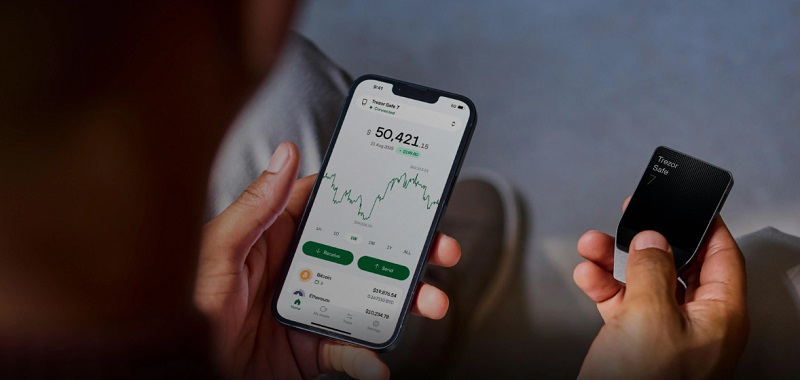
Official firmware updates are handled exclusively through Trezor Suite, with installation confirmed physically on the device itself. The bootloader checks all firmware signatures automatically.
Process Comparison
| Indicator | Legitimate Process | Fraudulent Attempt |
|---|---|---|
| Update Location | Trezor Suite App | Link inside an email |
| Recovery Backup | Never requested | Prompted on a website |
| Device Interaction | Physical button confirmation | Replaced by online forms |
| Urgency | Standard release cycle | Threats of immediate balance loss |
| Software Download | Official Suite environment | Unknown executable or script |
Why Polished Emails Are No Longer Trustworthy
Grammatical errors and broken formatting are no longer reliable indicators of malicious correspondence. Bad actors routinely leverage AI tools to generate error-free, highly professional text that mirrors official brand dispatches.
Verification Hierarchy
When receiving an unexpected alert, follow this protocol:
- Do not click any embedded links or open attachments.
- Open Trezor Suite independently to check for actual system updates.
- Verify news via official status pages or verified social channels.
- Contact support directly through the official website if uncertainties remain.
Scenarios for Unique Address Exposure
If a dedicated email address receives brand-specific phishing dispatches, evaluate these possibilities:
Possible Exposure Pathways:
- Recycled Historical Leaks: Previously exposed personal data may have been repackaged and resold through criminal databases.
- Third-Party Service Exposure: Data could have been exposed through integrated marketing, support, or other external service providers.
- Broad Crypto Targeting: Attackers may have matched existing lists against users associated with multiple cryptocurrency brands.
- Direct New Breach: A newly compromised database remains a possibility but would require formal forensic confirmation.
Without an official forensic disclosure, receiving a suspicious message at an exclusive address indicates that the email entered a marketing or support pipeline, rather than proving a compromise of the hardware wallet software itself.
Also Read: Wallet Recovery Services: Can They Really Help?
Recommended Action Plan for Recipients
If you receive a suspicious alert, take the following steps:
- Do not click links or download attachments.
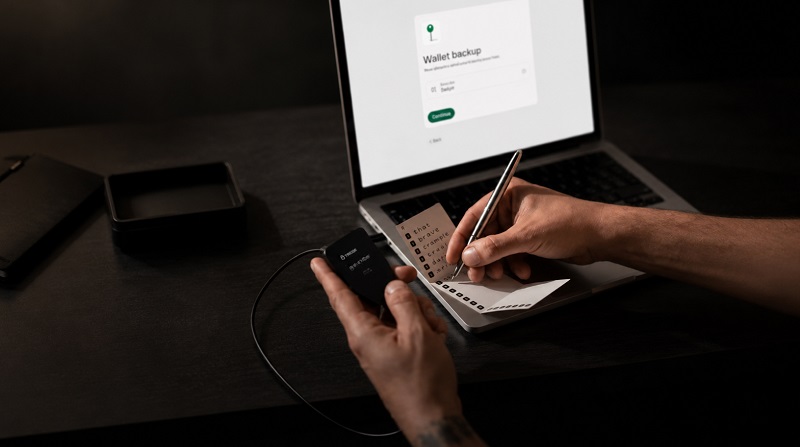
- Do not enter your recovery backup, PIN, or passphrase online.
- Do not install remote-access software.
- Launch Trezor Suite independently to check device status.
- Report the email to official support channels and cybercrime units.
What to Do If You Entered Your Recovery Backup
If you submitted your seed phrase on a web page, your wallet is fully compromised. Immediately generate a new wallet using an uncompromised device or temporary setup, and transfer your digital holdings to the new addresses before bad actors drain them.
What to Do If You Installed Software
If you clicked a link and downloaded an executable or remote-management application, disconnect your computer from the network immediately and run a comprehensive malware scan.
Where to Report Fraudulent Activity
Organized reporting helps authorities dismantle malicious infrastructure:
| Authority | Coverage Area |
|---|---|
| Official Trezor Support | Brand impersonation and internal security tracking |
| UK NCSC | Malicious websites and suspicious dispatches |
| US FBI (IC3) | Crypto-related cybercrime and financial loss tracking |
| US FTC | Consumer fraud and deceptive phishing patterns |
Core Takeaways for Wallet Owners
The primary takeaway for 2026 is that real security news is increasingly leveraged as a weapon. Official disclosures, emergency patches, and safety advisories are routinely repurposed to create deceptive calls to action.
Always separate information from execution. An email can inform you that an event occurred, but it should never dictate where you enter sensitive credentials or download applications.
Frequently Asked Questions
Can scammers know that I own a Trezor?
Yes. Bad actors acquire lists from historic data dumps, newsletter databases, support integrations, or broad crypto datasets. Receiving a brand-specific alert does not automatically indicate a new corporate breach.
What if I used an email address exclusively for Trezor?
This indicates the address entered a brand-related marketing or support pipeline. However, it does not confirm when or where the exposure took place, nor does it prove a breach of the hardware device itself.
Does Trezor ever request a recovery seed via email?
No. Official representatives will never ask for your recovery backup, PIN, or passphrase under any circumstances.
Should I perform firmware updates via email links?
No. All genuine firmware maintenance is managed directly within Trezor Suite and verified physically on your device.
What if I entered my seed phrase into a fake portal?
Your funds are at immediate risk. Transfer your assets to a newly generated, secure wallet address immediately.
Where should I report phishing attempts?
Submit reports through Trezor’s official support page, the FBI IC3 (for US residents), or the NCSC (for UK residents).
Sources
- Trezor — Common scams and phishing affecting Trezor users
- Trezor — Phishing attacks and how to keep your crypto safe
- Trezor — This is the way most crypto is stolen
- Trezor — Update Trezor firmware
- Trezor — Security & safety in Trezor
- Trezor Forum — Phishing Email from trezor.io
- Trezor Forum — Critical Vulnerability Notice discussion
- UK National Cyber Security Centre — Report a scam email
- FBI Internet Crime Complaint Center — Cryptocurrency scam guidance
- FBI IC3 — Fraudulent websites and malicious software updates
- FTC — Protect yourself from phishing scams
- 2026 academic research — Adversarial robustness of phishing email detection
Get professional help with your case.