SIM Swap Attacks in Crypto: How Hackers Bypass 2FA
- What a SIM Swap Attack Really Is
- How Hackers Use SIM Swaps to Steal Crypto
- Why SMS 2FA Is Vulnerable
- Emerging SIM Swap Trends in 2025–2026
- AI‑Enhanced Social Engineering
- Automated Port Requests
- Credential Stuffing
- Multi‑Factor Abuse
- A Realistic Scenario
- How to Detect a SIM Swap Attack in Progress
- Stronger Alternatives to SMS 2FA
- How to Protect Yourself from SIM Swap Attacks
- What to Do If You Fall Victim
- Conclusion
- Sources
In 2025–2026, SIM swap attacks continue to be one of the most effective ways for cybercriminals to gain control of cryptocurrency accounts — not by hacking wallets directly, but by exploiting weaknesses in mobile network security and SMS‑based two‑factor authentication (2FA). These attacks are especially dangerous because they don’t require a password or seed phrase; all the attacker needs is access to a victim’s phone number and the ability to trick a mobile carrier into transferring that number to a device the attacker controls.
For crypto investors, the consequences can be severe. Once a hacker controls your phone number, they can request password resets, intercept security codes, and empty exchange or wallet balances within minutes. Understanding how SIM swaps work — and how attackers bypass 2FA — is essential to protecting your assets.
What a SIM Swap Attack Really Is
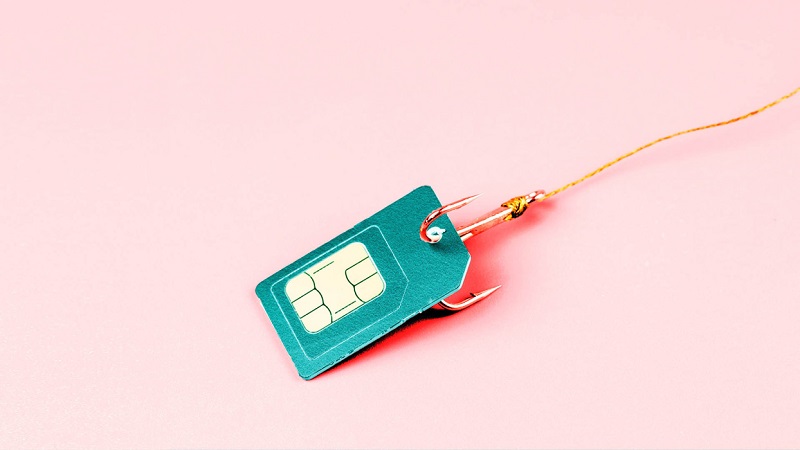
A SIM swap attack occurs when a fraudster convinces a victim’s mobile carrier to transfer the victim’s phone number to a SIM card they control. This effectively redirects all incoming calls and SMS messages — including one‑time passcodes used for authentication — to the attacker’s device.
Unlike a traditional account hack, SIM swapping doesn’t require guessing passwords or breaking encryption; it exploits social engineering and flaws in how telecom providers authenticate customers.
How Hackers Use SIM Swaps to Steal Crypto
Once an attacker has control of your phone number, they can bypass SMS‑based 2FA protections on your crypto accounts. Here’s how it typically unfolds:
- Gathering personal information: Attackers collect data about the victim (name, phone number, email, address) from social media, data breaches, or phishing campaigns.
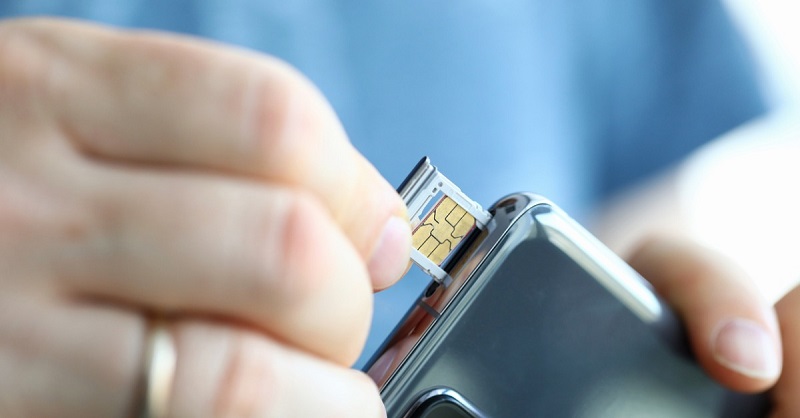
- Contacting the mobile carrier: Using the stolen information, the attacker calls or chats with the carrier’s support and claims their phone was lost or damaged.
- Porting the number: If verification requirements are weak, the carrier transfers the victim’s number to a SIM card owned by the attacker.
- Requesting account access: With the phone number now under their control, the attacker initiates password resets and 2FA challenges on exchanges or wallets.
- Transferring funds: Once access is gained, funds are quickly moved to addresses controlled by the attacker.
This method is alarmingly effective because many exchanges still rely on SMS codes as a second factor, and carriers often do not verify identity beyond basic information.
Also Read: Crypto Scams in 2026: What’s Getting People Trapped — and What to Do If It Happens.
Why SMS 2FA Is Vulnerable
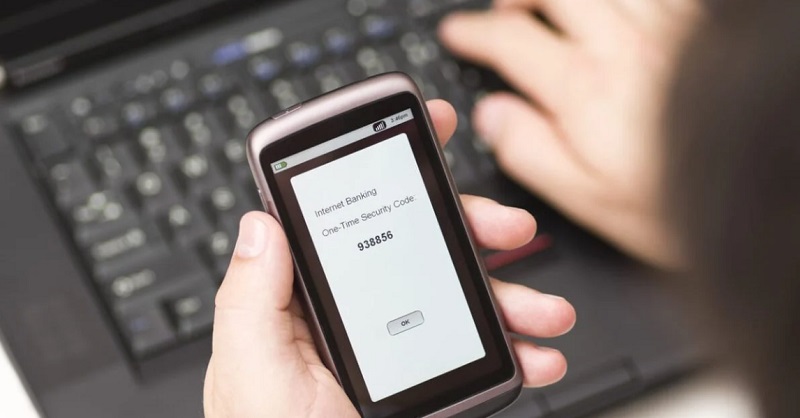
SMS‑based two‑factor authentication was once considered a strong security layer. Today, it is widely recognized as susceptible to SIM swap attacks. The reasons include:
- Weak carrier verification processes. Some mobile providers rely on easily guessed data (name, last four digits of SSN) to authenticate port requests.
- Social engineering. Attackers can impersonate victims over the phone or through support chat, using information gathered from public profiles or breaches.
- Telecom network vulnerabilities. Legacy protocols such as SS7 make it easier for attackers to reroute messages in some cases.
Regulators and cybersecurity firms regularly warn that SMS 2FA alone is inadequate for high‑value accounts, especially crypto accounts where irreversible transfers occur.
Also Read: How Scammers Use AI to Trick Crypto Investors.
Emerging SIM Swap Trends in 2025–2026
In recent years, attackers have refined their methods with more sophisticated strategies:
AI‑Enhanced Social Engineering
Attackers use AI tools to craft convincing chat messages or voice calls that mimic the victim’s tone or speech patterns, tricking carrier support representatives.
Automated Port Requests
Some fraud networks automate submission of porting requests across multiple carriers, increasing success rates.
Credential Stuffing
Attackers who gain access to email or password dumps attempt to reuse credentials on mobile carrier portals, bypassing support staff entirely.
Multi‑Factor Abuse
Rather than simply intercepting SMS codes, attackers combine SIM swaps with breached email accounts and stolen passwords to overwhelm account recovery processes.
These developments have made SIM swap attacks more scalable and harder to detect early.
A Realistic Scenario
Consider this example:
Maria receives a text from her mobile provider saying her phone number has been ported. Moments later, she starts getting password reset alerts from her crypto exchange. Before she understands what happened, the attacker logs into her account, disables notifications, and initiates withdrawals. Within minutes, significant assets have been transferred to an unknown wallet.
Maria never shared her password or seed phrase — only her phone number was compromised.
This type of incident has been repeatedly cited in scam reports and law enforcement advisories, including cases logged with the FBI Internet Crime Complaint Center (IC3) and consumer alerts from the Federal Trade Commission (FTC).
How to Detect a SIM Swap Attack in Progress
Being able to spot the early signs of a SIM swap can save your assets:
- Sudden loss of mobile signal without explanation.
- Unexpected carrier text or email about SIM changes.
- Multiple authentication requests you did not initiate.
- Account lockouts or password reset prompts you didn’t request.
If you notice any of these signs, act immediately:
- Contact your mobile carrier and ask them to verify whether a port or SIM change request was made.
- Freeze or suspend account access where possible.
- Reach out to exchange support with a fraud report.
Also Read: How to Approach a Parent Who’s Fallen for an Investment Scam.
Stronger Alternatives to SMS 2FA
While SMS codes can be intercepted through SIM swap attacks, there are more resilient authentication methods:
- Authenticator apps (TOTP): Apps like Google Authenticator or Authy generate codes locally on your device and are not tied to your phone number.
- Hardware security keys: Devices like YubiKey or FIDO2 keys provide cryptographic confirmation that cannot be intercepted.
- Push notifications for authentication: More secure than SMS, especially when paired with device binding.
- Biometric authentication: Fingerprint or face recognition adds another independent layer.
Experts increasingly recommend disabling SMS 2FA entirely for critical accounts, or using it only in combination with stronger factors. Exchange security pages and regulator alerts reflect this trend.
How to Protect Yourself from SIM Swap Attacks
Here are key defensive steps you can take:
-
**Contact Your Mobile Carrier**.
Ask your carrier to enable port protection features such as:
- port freeze / number lock
- account PIN / passphrase
- requirement for in‑store verification for changes
These controls make it harder for attackers to port your number.
-
**Use Email and App‑Based 2FA**.
Switch from SMS to an authenticator app or hardware key wherever possible.
-
**Secure Your Email Account**.
Since password resets often go through email, secure it with the strongest available authentication.
-
**Monitor Account Activity**.
Enable alerts for login attempts, transaction authorizations, and device changes.
-
**Limit Personal Info Exposure**.
Avoid sharing phone numbers publicly, and remove phone numbers from any account that doesn’t require them.
What to Do If You Fall Victim
If a SIM swap has already occurred and funds are lost:
- Contact your mobile carrier immediately and request a revert/port lock.
- Change all passwords and disable SMS 2FA everywhere.
- Contact your crypto exchange’s support and security team with evidence.
- File reports with authorities: Federal Trade Commission, FBI Internet Crime Complaint Center, Relevant financial regulators in your country.
Collect screenshots, transaction IDs, and any carrier notifications — this information can help investigators track subsequent movements of assets.
Conclusion
SIM swap attacks remain one of the most effective ways hackers bypass traditional security measures like SMS‑based 2FA — especially in the world of crypto, where transactions are irreversible. Understanding how attackers leverage telecom weaknesses and social engineering allows users to build stronger defenses.
In 2025–2026, authenticity checks alone aren’t enough; proactive steps such as switching to app‑based authentication, securing email accounts, and setting up mobile port protections are essential parts of a modern crypto security strategy.
Sources
- Federal Trade Commission (FTC),
- FBI Internet Crime Complaint Center (IC3),
- U.S. Securities and Exchange Commission (SEC),
- RiskIQ / fraud detection insights.
Get professional help with your case.